Virginia Rental Assistance Wait Time Estimator
Select your situation below to get a realistic estimate of your approval timeline. Note that these are estimates based on average processing times reported by major Virginia agencies.
Estimated Approval Timeline
Your Estimate:
Calculating...
Advice will appear here.
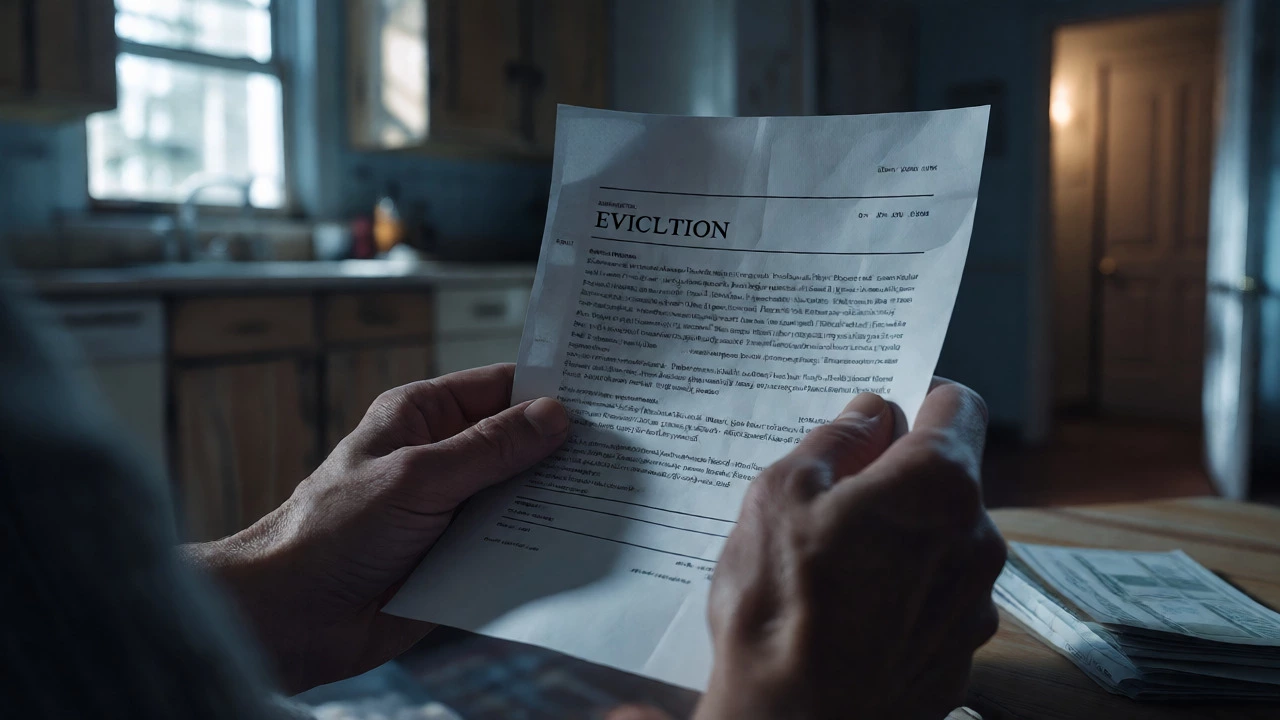
Imagine staring at an eviction notice while your bank account hovers near zero. You’ve applied for help, but the silence from the agency is deafening. In Virginia, emergency rental assistance can be a lifeline, but the wait for approval often feels like an eternity when you’re on the brink of losing your home.
The short answer? It varies wildly. While some applicants hear back in two weeks, others wait three months or more. This guide breaks down exactly what drives that timeline and how you can speed up the process without making common mistakes that stall your application.
The Reality of Approval Timelines
There is no single "standard" timeframe because Virginia doesn’t have one unified system. Instead, assistance flows through a patchwork of federal funds distributed by local organizations. The Virginia Department of Social Services (VDSS) oversees the broader framework, but actual processing happens at the county or city level.
Generally, you can expect these ranges based on current data from major providers like the Commonwealth Community Action Agency:
- Fast Track: 14-30 days. This usually happens if you apply during a period of low volume and have perfect documentation.
- Average Wait: 45-60 days. This is the most common scenario for standard applications under the Emergency Rental Assistance Program (ERAP).
- Delayed Cases: 90+ days. These occur when applications are incomplete, require landlord verification, or fall into high-volume urban areas like Northern Virginia.
If you haven’t heard anything after 60 days, don’t assume your application was lost. Follow up immediately. Silence often means your file is sitting in a queue waiting for a specific document, not that it’s been rejected.
Why Do Some Applications Take Longer?
Understanding the bottlenecks helps you anticipate delays. The biggest culprit isn’t usually bureaucratic laziness; it’s verification complexity. Agencies must ensure they aren’t paying rent for vacant units or to landlords who don’t actually own the property.
Here are the main factors that slow things down:
- Landlord Unresponsiveness: Many programs require the landlord to sign a form confirming the lease and rent amount. If your landlord ignores emails or calls, your application stalls indefinitely. This is the number one cause of delay.
- Incomplete Documentation: Missing pay stubs, unsigned leases, or unclear proof of residency force caseworkers to send your file back to the start.
- Program Funding Cycles: Some local agencies distribute funds monthly. If you apply right after their budget cycle closes, you might wait until the next month’s allocation opens.
- High Volume Periods: After major economic shifts or policy changes, applications surge. Northern Virginia, with its higher cost of living, often sees longer queues than rural counties like Lee or Wise.

Key Programs and Their Specific Speeds
Not all assistance comes from the same source. Knowing which program you’re applying to gives you a better estimate of the timeline.
| Program Name | Administering Body | Avg. Approval Time | Best For |
|---|---|---|---|
| Emergency Rental Assistance Program (ERAP) | Local Non-Profits & Housing Authorities | 45-60 Days | Past-due rent and utilities |
| Homeless Prevention and Rapid Re-Housing (HPRP) | Continuum of Care (CoC) Agencies | 7-14 Days | Imminent homelessness |
| Section 8 Voucher Waiting List | Local Housing Authority | 1-3 Years | Long-term affordability |
| Temporary Assistance for Needy Families (TANF) | VDSS Local Offices | 30-45 Days | Families with children |
Notice the massive difference between ERAP and Section 8. If you need help now to avoid eviction, do not rely on a Section 8 voucher. Its waiting list is too long. Focus on short-term emergency grants instead.
How to Speed Up Your Application
You can’t control the agency’s workload, but you can control your side of the transaction. Here’s how to cut your wait time by weeks.
Get Your Landlord Involved Early
Don’t wait for the agency to contact your landlord. Call them yourself. Explain that you’re applying for assistance and ask if they will accept direct payment. Get their email address and phone number ready. If possible, get them to sign the consent form before you even submit your application. When the agency reaches out, they’ll find a responsive partner, speeding up verification.
Submit Digital Copies, Not Photos
Blurry photos of receipts are a nightmare for caseworkers. Use a free app like Adobe Scan or CamScanner to create clean, PDF versions of your documents. Ensure every page is legible. If your lease has multiple pages, combine them into one file rather than uploading ten separate images.
Be Proactive with Follow-Ups
After submitting, note the date. If you don’t receive an acknowledgment within 5 business days, call. If you don’t hear about a decision after 30 days, call again. Be polite but persistent. Ask specifically: "Is there any missing information holding up my case?" Often, a quick phone call resolves a simple administrative error.

What Happens After Approval?
Approval isn’t the finish line. Once you’re approved, the money rarely goes directly to you. Most Virginia programs pay the landlord or utility company directly. This protects the funds and ensures they go toward housing costs.
Expect another 1-2 weeks for the check to arrive after final approval. During this time, keep paying what you can if you’re able, but communicate with your landlord. Show them your approval letter. Many landlords will pause late fees once they see official confirmation that payment is coming.
If the program pays your landlord, verify that the landlord received the funds. Sometimes checks get lost in the mail or deposited incorrectly. A quick email to your landlord asking, "Did you receive the ERAP check?" can save you from accidental eviction notices due to non-payment.
Troubleshooting Common Delays
If you’re stuck, here are the most common reasons why, according to caseworker insights:
- Name Mismatches: Your name on the lease must match your ID and bank statements exactly. If you use a nickname on your lease but your legal name on your ID, provide a letter explaining the connection.
- Utility Account Issues: If you’re asking for help with electricity, the bill must be in your name. If it’s in the landlord’s name, you’ll need a different form of proof that you pay it.
- Income Verification Gaps: If you’re self-employed, tax returns alone might not suffice. Provide recent profit-and-loss statements or bank deposits showing consistent income.
Can I apply for rental assistance if I’m already behind on rent?
Yes, absolutely. In fact, most emergency rental assistance programs in Virginia are designed specifically for tenants who are already past due. Having arrears often prioritizes your application over those who are still current but struggling.
Does having an eviction filing hurt my chances?
No, it usually helps. An active eviction filing demonstrates urgency. However, you must act quickly. Some programs cannot assist if the writ of possession has already been executed (meaning you’ve already been physically removed). Apply as soon as you receive the summons.
Who pays the money-me or my landlord?
In the vast majority of cases, the agency pays the landlord or utility provider directly. Very few programs allow direct payments to tenants unless the landlord refuses to participate or verify the debt.
What if my landlord refuses to cooperate?
This is a tough spot. Some programs allow you to proceed without landlord cooperation if you provide other proofs, such as bank statements showing previous rent payments. Check with your specific local agency for their "non-cooperative landlord" policy.
Are there income limits for approval?
Yes. Most programs require household income to be below 80% of the Area Median Income (AMI), though some emergency funds raise this to 120%. You must provide proof of income for all adults in the household.