When working with Room Occupancy Calculation, the process of determining how many people can comfortably live in a given space based on size, local regulations, and comfort standards. Also known as occupancy analysis, it helps landlords, tenants, and planners decide if a unit meets needs and legal limits. Another key player is Rent Affordability, the measure of how much rent a household can pay without sacrificing essential expenses, which directly relies on accurate occupancy figures. Likewise, a Housing Budget, the total monthly outlay for rent, utilities, and related costs, often uses occupancy data to set realistic spending limits. Finally, understanding the Rental Market, the overall supply and demand dynamics for rental properties in a region, requires a solid grasp of occupancy calculations to gauge inventory and pricing trends.
Why does it matter? First, room occupancy calculation encompasses rent affordability: if a two‑bedroom unit can legally house three people, the rent split per person changes the affordability equation. Second, accurate occupancy data influences housing budget planning; a family that can fit into a smaller unit saves on rent and utilities, freeing money for other needs. Third, the rental market analysis requires occupancy formulas to estimate how many units are truly available for a target demographic. Landlords use these numbers to set rents that attract tenants without violating local codes. Tenants, on the other hand, can gauge whether a listing meets their space expectations before signing a lease.
Start with the basic square‑footage rule: divide the total usable area by a standard 200 sq ft per person for a comfortable living space. Adjust the figure based on local building codes—many Indian states prescribe a minimum of 100 sq ft per occupant in rental rooms. Next, plug the occupancy count into a rent affordability calculator: take your gross monthly income, multiply by 30 %, and compare that against the proposed rent divided by the number of occupants. If the result exceeds the 30 % threshold, the unit may stretch your housing budget too thin.
Several online tools let you input room dimensions, number of occupants, and local regulations to output an occupancy rating. These calculators also generate a suggested rent range that aligns with typical market rates, helping both landlords price competitively and tenants negotiate smarter. For a deeper dive, cross‑reference the occupancy‑adjusted rent with current rental market reports for the city or neighborhood. This gives you a reality check: is the unit priced above, below, or at market average?
Remember, occupancy calculation isn’t just a number—it’s a bridge between space, cost, and comfort. When you know how many people can legally and comfortably live in a room, you can instantly assess rent affordability, shape a realistic housing budget, and read the rental market with confidence. Below, you’ll find articles that walk through dress codes for realtors, licensing requirements in Virginia, emergency housing vouchers, rental affordability formulas, and much more—all tied together by the practical need to understand how space translates into cost. Explore the collection to sharpen your knowledge and make smarter property decisions.
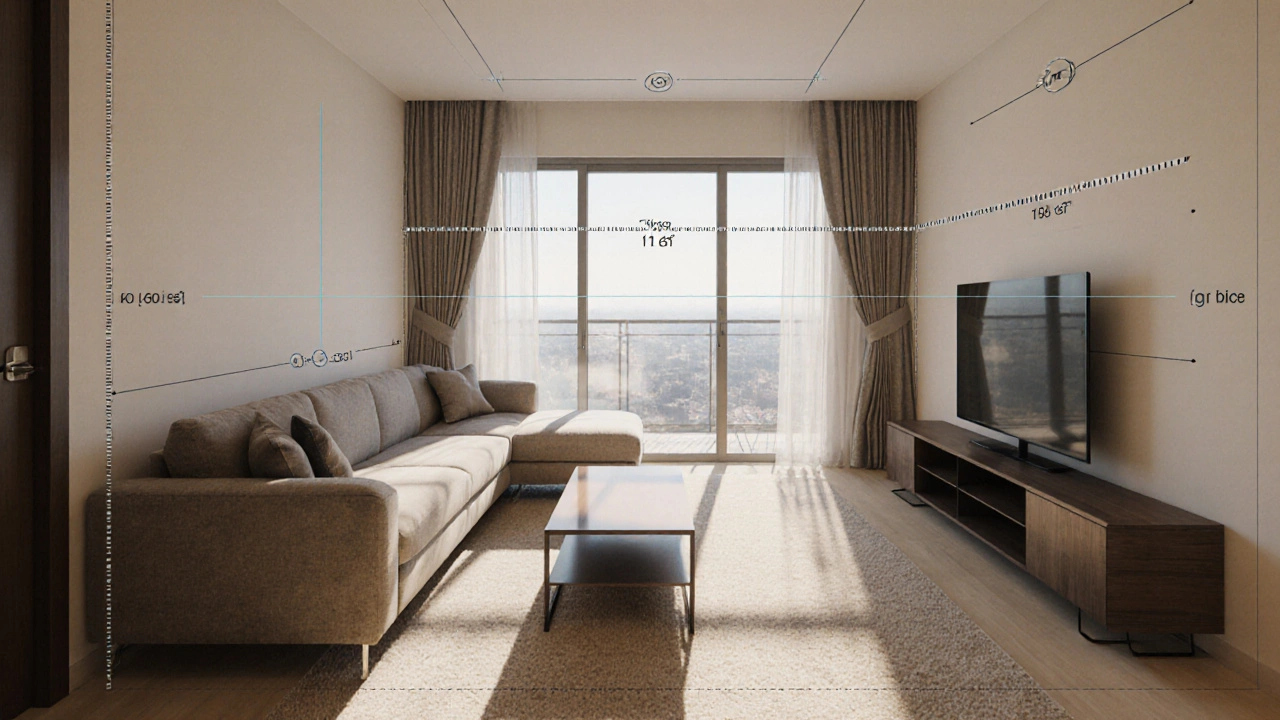
Learn how many people can safely occupy a 600sqft room, with step‑by‑step occupancy calculations, code references, and comfort tips for 2BHK apartments.
 0
0