When people talk about ROI on rental property, the return you get from renting out a property after all costs are paid. Also known as rental yield, it’s not just about how much rent you collect—it’s what’s left after taxes, repairs, vacancies, and management fees. Too many investors focus on gross rent and ignore the real math. That’s why some end up losing money even when their units are full.
A good rental yield, the annual rental income divided by the property’s total cost, expressed as a percentage usually sits between 5% and 8% in most Indian cities. Anything above 10% often means hidden risks—poor location, high vacancy rates, or crumbling infrastructure. You can’t chase high numbers without checking the condition of the building, local tenant demand, and property tax trends. In places like Pune or Hyderabad, a 7% yield might be solid. In smaller towns, you might find 9%, but only if you’re ready to handle repairs yourself. And don’t forget: property investment return, the total profit from rent and appreciation over time includes both cash flow and how much the property grows in value. A 6% rental yield plus 5% annual appreciation beats a 9% yield with no growth every time.
Many people confuse rental income, the money you receive from tenants each month with profit. Rent isn’t profit. Paying for a new roof, fixing a broken AC, or sitting empty for two months eats into that number fast. In Delhi or Bengaluru, a ₹30,000 rent might sound great—until you realize ₹8,000 goes to maintenance, ₹5,000 to property tax, ₹3,000 to brokerage, and ₹4,000 to vacancy. That leaves you with ₹10,000, not ₹30,000. That’s a 4% net yield, not 9%. And if you borrowed 80% of the price, your mortgage payment cuts it further. The key isn’t just finding a good property—it’s understanding how to track every cost.
And then there’s the bigger picture: commercial property value, how much a property is worth based on its income potential. Investors who buy commercial units—like small shops or office spaces—use cap rates and NOI (Net Operating Income) to judge value. Residential rentals don’t always follow the same rules, but the principle is the same: value comes from consistent cash flow, not just square footage. If your property sits in an area where rents are rising because of new IT parks or metro lines, your ROI isn’t just from rent—it’s from the location’s growth. That’s why some of the best returns come from buying in up-and-coming neighborhoods, not the most expensive ones.
You won’t find perfect ROI numbers online because every property is different. But you can find patterns. The posts below show real cases—from how much profit people actually make after all expenses, to what credit score you need to finance a rental, to why some 2BHK apartments in Mumbai deliver better returns than villas in Tier-2 cities. You’ll see how rent hikes in Virginia or tax rules in Utah don’t apply here, but the core math does. Whether you’re a first-time buyer or looking to scale, the numbers don’t lie. What matters is how well you track them.
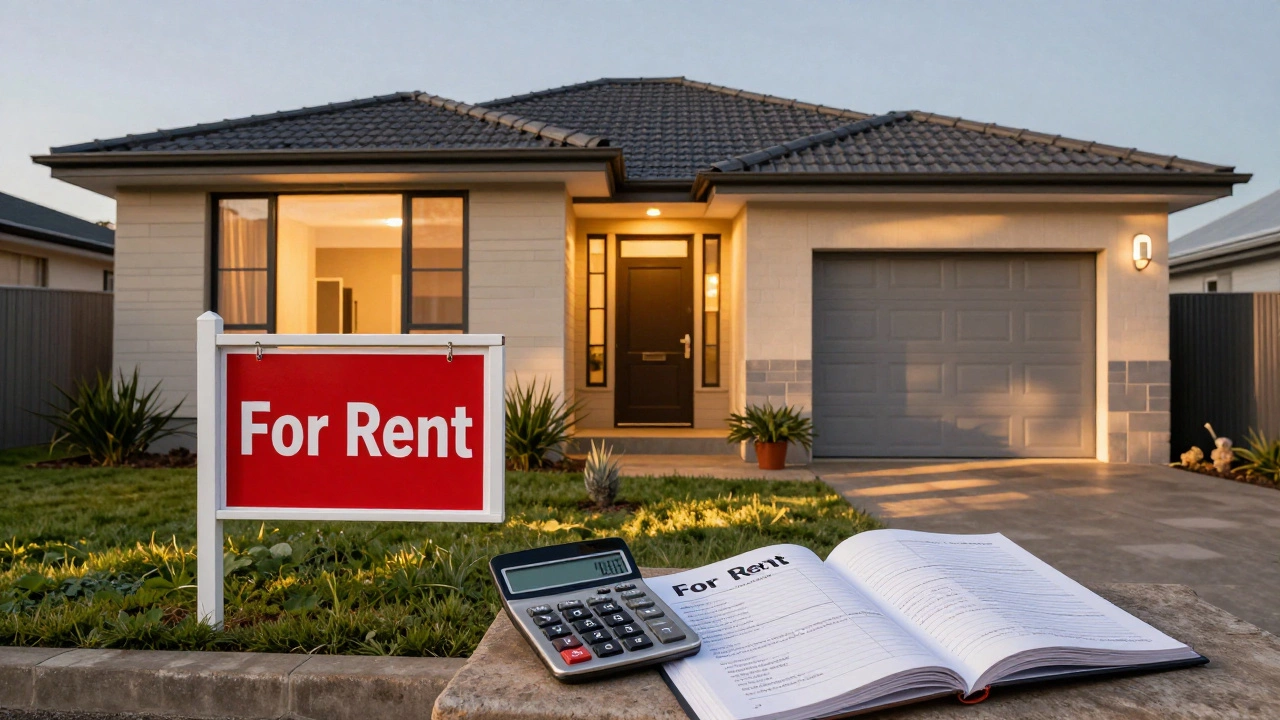
Find out how much profit you should realistically make on a rental property in Adelaide. Learn the numbers behind rental yields, cash flow, and long-term wealth building-without the hype.
 0
0