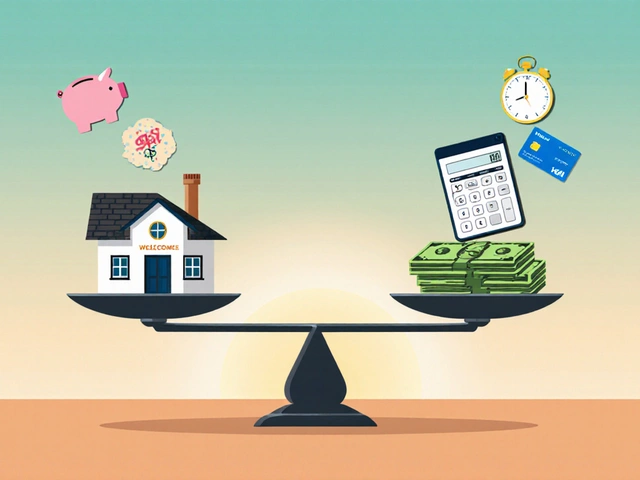
When you buy a home, a property sale rebate, a portion of the real estate agent’s commission returned to the buyer. Also known as buyer cashback, it’s not a discount—it’s your share of the commission the seller already agreed to pay. Most people think the agent works for them, but in most cases, the agent gets paid by the seller. That means the buyer is indirectly funding the agent’s fee. A rebate simply gives you back part of that money—often $5,000 to $20,000 depending on the home price and location.
These rebates aren’t magic. They’re built into how real estate deals work. When a home sells, the seller typically pays 5% to 6% in total commission, split between the listing agent and the buyer’s agent. If your agent offers a rebate, they’re giving you back a portion of their half—say, 1% to 2% of the sale price. It’s legal in most states, including in India where some platforms now offer similar incentives. But here’s the catch: not all agents offer it, and some try to hide it in fine print. Look for transparency. Ask upfront: "What percentage of your commission do you return to buyers?" If they hesitate, they’re probably not serious about helping you save.
Property sale rebates aren’t just for first-time buyers. Investors use them to boost cash flow. Sellers sometimes offer them as seller concessions, a way to make a listing more attractive without lowering the price. Also known as closing cost assistance, this lets buyers cover inspection fees, appraisal costs, or even moving expenses without asking for a lower sale price. That’s smart negotiation. It keeps the listing price high (good for the seller’s perceived value) while making the deal feel better for the buyer. And yes, this works in both resale homes and new construction. You just need to ask.
Some agents try to convince you that rebates mean lower service. That’s false. A good agent who offers a rebate still does the same work: shows you homes, negotiates offers, handles paperwork, and protects your interests. The difference? They’re confident enough in their skills to let you keep part of their pay. That’s a sign of professionalism, not cut corners.
Don’t confuse rebates with discounts or gifts. A rebate is your money, returned. A discount is a price reduction that might affect your loan approval. A gift from the seller? That’s a different legal animal altogether. Stick to rebates—they’re clear, documented, and approved by lenders.
When you’re ready to buy, don’t just pick the first agent who shows up. Ask about rebates early. Compare offers. Look for agents who mention it on their website or in their first email. If they don’t, they’re leaving money on the table—for you. And in today’s market, every dollar counts.
Below, you’ll find real examples of how people used rebates to buy homes, save on closing costs, and even upgrade their deals. Some got back enough to cover a year of property taxes. Others used it to pay for renovations before moving in. These aren’t stories from the U.S. or Australia—they’re happening right here in India, too. The system works the same. You just need to know how to ask.

Is 2 percent cash back on commercial property sales a good deal? Learn how rebates work, when they actually save you money, and what hidden costs you might be ignoring.
 0
0