When you’re renting a place, opening a bank account, or applying for a government benefit, you’ll often be asked for proof of residency, a document that confirms where you live. Also known as residency verification, it’s not just bureaucracy—it’s how landlords, banks, and agencies protect themselves and you from fraud. Without it, you can’t sign a lease, get a driver’s license, or even enroll your kid in school.
Most places accept the same few types of documents: a recent utility bill, a lease agreement, a government-issued letter, or a bank statement with your name and address. But not every document works. A phone bill? Sometimes. A paycheck stub? Only if it has your full address. A social media post? Never. Each organization has its own rules, but they all want three things: your full legal name, your current address, and a date within the last 30 to 90 days. If your name is on the document but your address is wrong, it’s useless. If the date is too old, they’ll ask again.
People often think they need something fancy—like a notarized letter or a special form—but in most cases, you already have what you need. Look in your mailbox. Check your online banking. Pull up your latest water or electricity bill. If you’re living with someone else, you might need a letter from the homeowner, a signed statement confirming you live there. Some states and cities also let you use a voter registration card, a document issued by local election offices or a school enrollment record, proof your child attends a local school. The key is to match what the requester asks for—not what you think they want.
And if you’re new to the country or just moved? That’s when things get tricky. If you don’t have bills in your name yet, start by getting mail sent to your new address. Use a friend’s address with their permission. Ask your landlord for a letter. Even a signed affidavit from someone who knows you live there can help, as long as it’s notarized. The goal isn’t to trick the system—it’s to show you’re real and you’re there.
What you’ll find in the posts below isn’t a list of forms to download. It’s real-world advice from people who’ve been stuck because they didn’t know what counted as proof. You’ll see how someone in Virginia got their rental approved with just a bank statement. How a tenant in New York used a certified copy of property registration to prove residency. Why a 2 BHK apartment lease in Adelaide required three different documents, and how one person saved weeks by knowing exactly what to bring. These aren’t theoretical guides. They’re fixes for problems you’re probably facing right now.
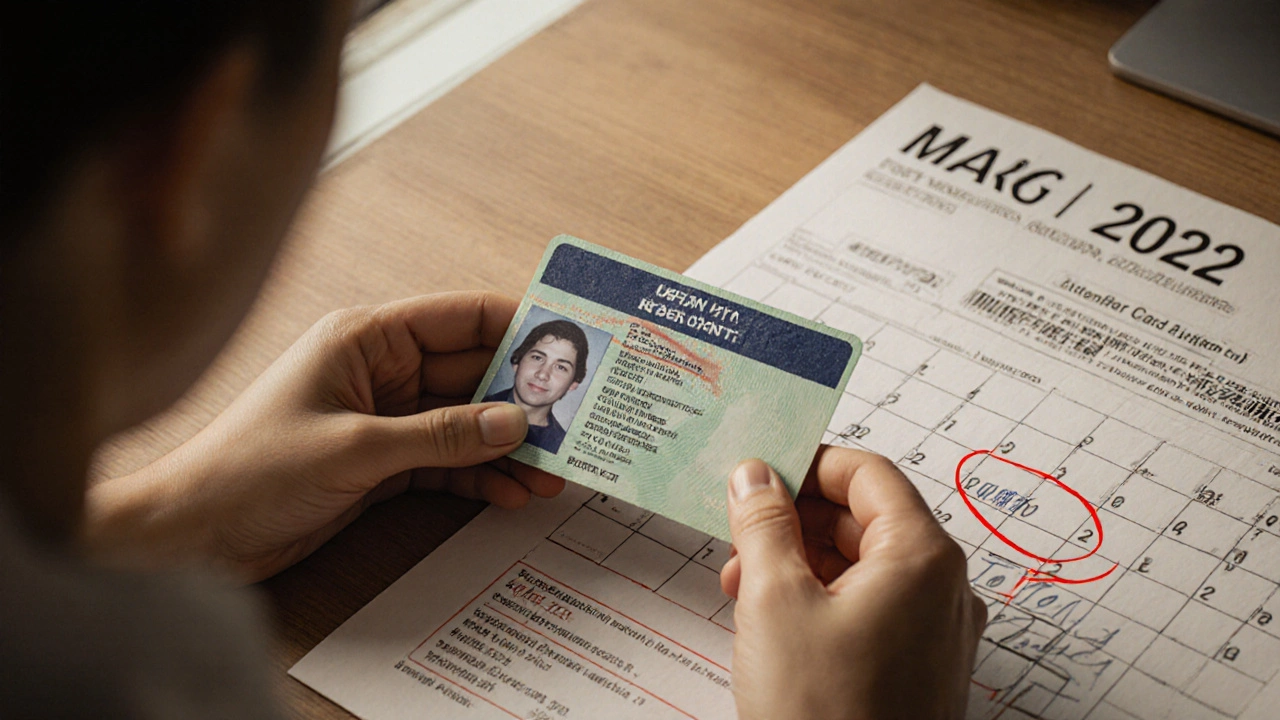
Learn how to find your official legal residency date using immigration records, property registration, tax filings, and voter documents. Know the exact date you became a legal resident for benefits, loans, and legal compliance.
 0
0