When you start NYC property registration, the process of recording ownership or tenancy rights with New York City’s Department of Finance and related agencies. Also known as property deed filing, it guarantees legal proof of ownership, triggers accurate property tax assessment, and is mandatory before you can sell, refinance, or rent out a unit. Understanding this workflow begins with NYC real estate law, which sets the rules for deed transfers, recording fees, and title examinations. Ignoring any of these requirements can leave a buyer exposed to disputes or unexpected tax bills.
First, gather the deed, title report, and any prior tax certificates. Submit them to the City Register’s Office, where the documents are indexed and assigned a unique filing number. While the city handles the mechanical recording, you’ll also need to verify your rental license if the property will be leased – many boroughs require a separate license to collect rent legally. Many new owners skip this step and later face fines or eviction notices. If you’re using a broker, consider a no-fee broker who charges the landlord instead of the tenant; this can shave hundreds of dollars off your upfront costs while still giving you professional support for the registration paperwork. After the city records the deed, request a copy of the recorded abstract; this document proves the transaction to lenders, which is crucial if you plan to secure a mortgage or refinance later.
Finally, keep an eye on the property tax bill that arrives after registration. NYC calculates taxes based on the assessed value reflected in the recorded deed, so any errors in square footage or classification can inflate your bill. Most owners set up an online account with the Department of Finance to track payments, file disputes, and get alerts about upcoming deadlines. Digital filing options have cut processing times from weeks to days, but you still need to budget for recording fees, title insurance, and occasional attorney review. By mastering the registration process, you protect your investment, stay compliant with local regulations, and position yourself for smoother future transactions. Below you’ll find a curated collection of articles that break down each of these elements in plain language, from step‑by‑step filing instructions to tips on working with no‑fee brokers and navigating rental‑license requirements. NYC property registration may sound bureaucratic, but with the right know‑how it becomes just another checkbox on your path to owning or renting in the city.
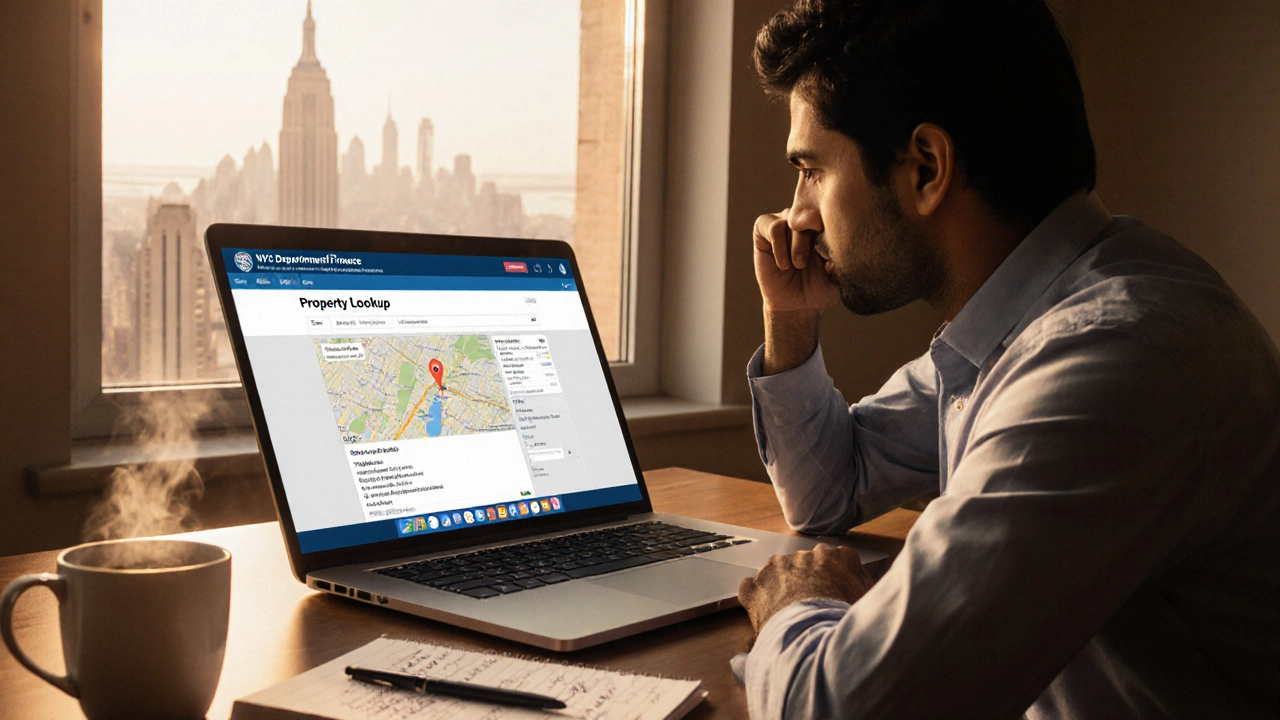
Learn how to quickly obtain a certified copy of your NYC property registration with step‑by‑step instructions, online, in‑person, and mail options, plus fees, required documents, and FAQs.
 0
0