When talking about Livestock Investment, the practice of allocating money into farm animals, pasture, and related agribusiness to generate steady returns. Also known as farm animal investment, it blends traditional farming with modern profit‑driven planning. Livestock investment isn’t just buying a cow; it means understanding how Cattle Farming, the systematic raising of cattle for meat, milk or breeding fits on a given plot, how Land Acreage, the amount of usable farm land measured in acres influences stocking rates, and how Agribusiness, the commercial side of agriculture that includes processing, marketing and value‑addition turns raw output into cash flow. The relationship is simple: livestock investment requires effective pasture management, and good management raises the ROI on both cattle and land.
First, knowing the right Cattle Stocking Rate, the number of cows that can sustainably graze on one acre without degrading the soil is vital. Studies across Indian states show that 1 to 2 cows per acre is a realistic range for mixed‑grass pastures; more than that can lead to overgrazing and hidden costs. Second, the Pasture Management, techniques like rotational grazing, reseeding and soil testing that keep the feed supply healthy directly affects animal weight gain and milk yield, which in turn drives revenue. Third, incorporating ancillary income streams—such as solar leases on open fields or small‑scale agri‑tourism—expands the profit base beyond just animal sales. These three pillars—stocking rate, pasture care, and diversified income—form a semantic triple: Livestock investment encompasses cattle farming, requires land acreage, and benefits from agribusiness diversification. By aligning each pillar with market data, investors can calculate realistic cash‑on‑cash returns and set benchmarks for future growth.
Finally, the financial side matters just as much as the biological. Knowing the average cost to raise a cow—feed, veterinary care, fencing—and comparing it to the expected market price for meat or milk lets you model a break‑even point. Tools like simple ROI calculators or spreadsheet models help project cash flow over a five‑year horizon, which is often the planning window for rural investors. When you blend solid numbers with on‑ground practices, livestock investment turns from a gamble into a repeatable business model. Below, you’ll find articles that break down everything from how many cows fit on 20 acres to step‑by‑step income ideas for a 20‑acre parcel, giving you practical steps to start or scale your farm portfolio.
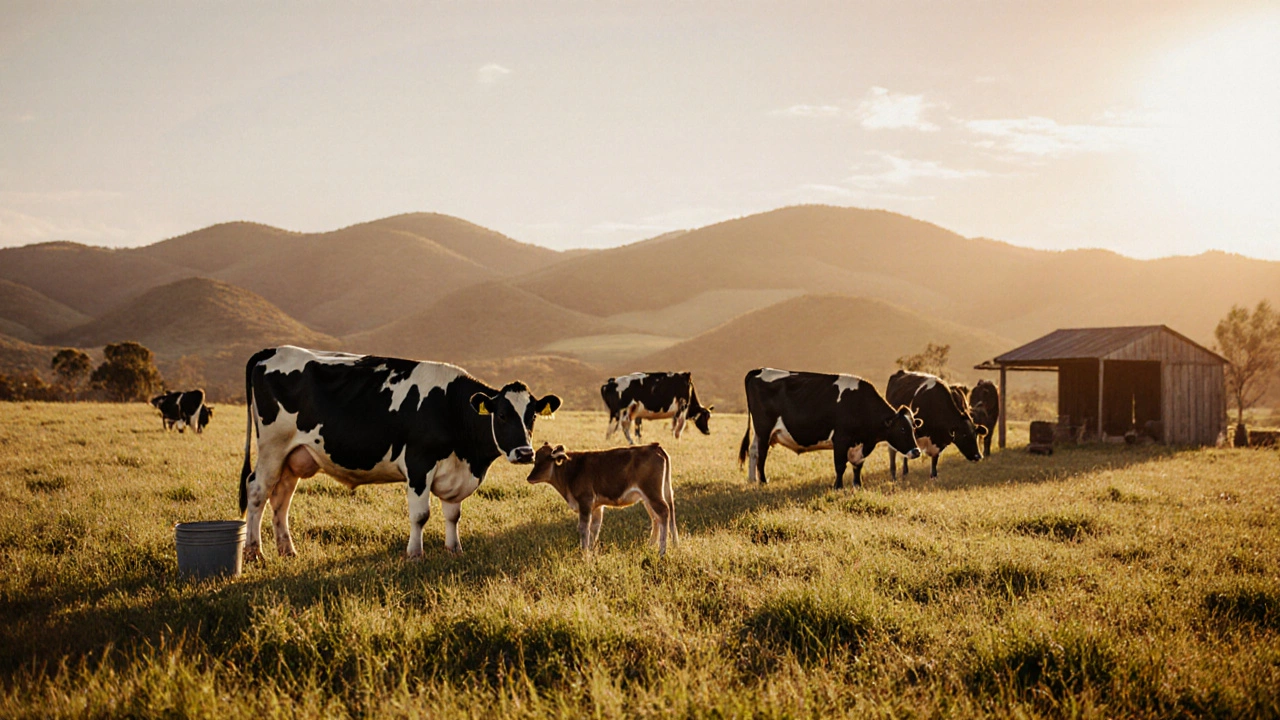
Learn realistic profit from ten cows in South Australia, break down revenue, costs, and see how it stacks up against buying an Adelaide villa.
 0
0