When you think about buying or renting property, you probably focus on price, location, or layout. But there’s another layer most people miss: immigration records, official documents that track a person’s legal status, entry, and residency in a country. Also known as visa and residency documentation, these records determine whether someone is legally allowed to own property—or even sign a lease—in many places, including India and abroad. If you’re an NRI, a foreign worker, or someone moving to India long-term, your immigration status isn’t just paperwork—it directly controls what real estate options are open to you.
Take visa status, the official permission granted to enter and stay in a country for a specific purpose and duration. If you’re on a tourist visa, you can’t buy property in India under most circumstances. But if you have an OCI card or a long-term employment visa, the rules change. residency documentation, proof that you live in a country legally, such as a residence permit, Aadhaar, or PAN linked to address verification becomes critical for banks, landlords, and government registries. Without it, you might get denied a home loan, face trouble registering your property, or even risk eviction if your visa expires and you didn’t update your records.
These rules aren’t the same everywhere. In the U.S., for example, foreign buyers can purchase property with just a passport and tax ID—but they still need to prove income and source of funds. In India, NRIs need an Indian passport, PIO/OCI card, and sometimes a letter from their employer. The property ownership, the legal right to possess, use, and transfer real estate, subject to national and local laws you’re chasing isn’t just about money—it’s about legal access. That’s why posts on this page don’t just talk about apartment sizes or commercial cap rates. They connect the dots between your personal situation and the property you can actually get. You’ll find guides on how to use your visa status to qualify for a rental, how immigration paperwork affects property registration in cities like Delhi or Mumbai, and why some landlords refuse tenants without proper residency proof.
Some people assume immigration records only matter for citizenship applications. But if you’re trying to rent a 2 BHK in Bangalore, buy a commercial space in Pune, or even get a utility connection in a new city, your immigration status is part of the checklist. It’s not about being complicated—it’s about being prepared. The posts here give you real examples: how someone on a work visa secured a lease in Hyderabad, what documents a foreign investor needed to close a deal in Gurgaon, and why skipping a residency update cost one person their deposit. You won’t find legal jargon. Just clear, practical steps tied to the documents you already have—or need to get.
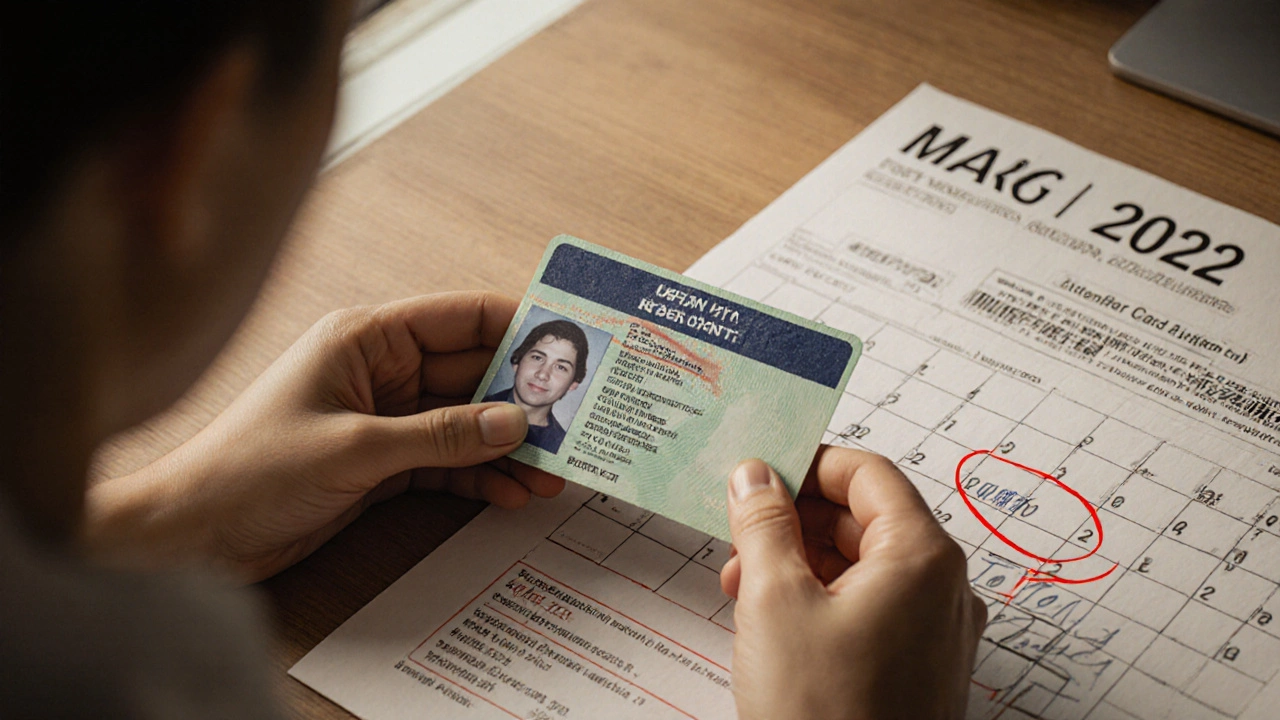
Learn how to find your official legal residency date using immigration records, property registration, tax filings, and voter documents. Know the exact date you became a legal resident for benefits, loans, and legal compliance.
 0
0