When dealing with farm expenses, the outlay required to run a farm, covering land, equipment, seeds, feed, labor and taxes. Also known as agricultural operating costs, it shapes the profitability of any farming venture. 20 acres, a popular size for family farms and hobby growers in India is a good reference point because many of the guides on this page revolve around that plot size. Knowing how cattle stocking rates, the number of animals that can sustainably graze on a given acreage affect feed bills helps you estimate a major portion of your expenses. Likewise, agricultural income, the revenue generated from crops, livestock or ancillary services determines how much you can reinvest. In short, farm expenses encompass land purchase, equipment depreciation, seed and fertilizer costs, labor wages, and ongoing maintenance. Managing them requires a clear budget, realistic yield expectations, and awareness of how each cost element interacts with the others.
Every farmer knows that a surprise spike in feed cost can eat into profit margins, but few realize that the root cause often lies in inaccurate acreage calculations. Converting land measurement, the process of translating acres into usable field dimensions and mileage into a budgeting tool bridges that gap. When you understand that 20 acres equals roughly 0.03 square miles, you can better plan irrigation lines, fencing, and grazing zones. This knowledge directly influences the cattle stocking rate, which in turn dictates the amount of hay or grain you need to purchase each season. The semantic triple here is: farm expenses encompass livestock feed costs, livestock feed costs require accurate stocking rates, and accurate stocking rates depend on proper land measurement. By aligning these pieces, you turn a vague expense line item into a predictable, controllable figure.
The articles below dive into each of these aspects. You’ll find a step‑by‑step guide on converting 20 acres into miles, a practical breakdown of how many cows can thrive on that land, and proven ideas to turn a 20‑acre parcel into steady income. There are also posts on budgeting rent, calculating ROI for commercial properties, and even wardrobe tips for realtors—because the real estate world often intersects with farm sales and rentals. Whether you’re a first‑time land buyer, a seasoned grower looking to trim costs, or simply curious about the financial side of farming, the collection offers concrete numbers, real‑world examples, and actionable steps to keep your farm’s cash flow healthy. Let’s get into the details and see how each piece fits into the bigger picture of managing farm expenses.
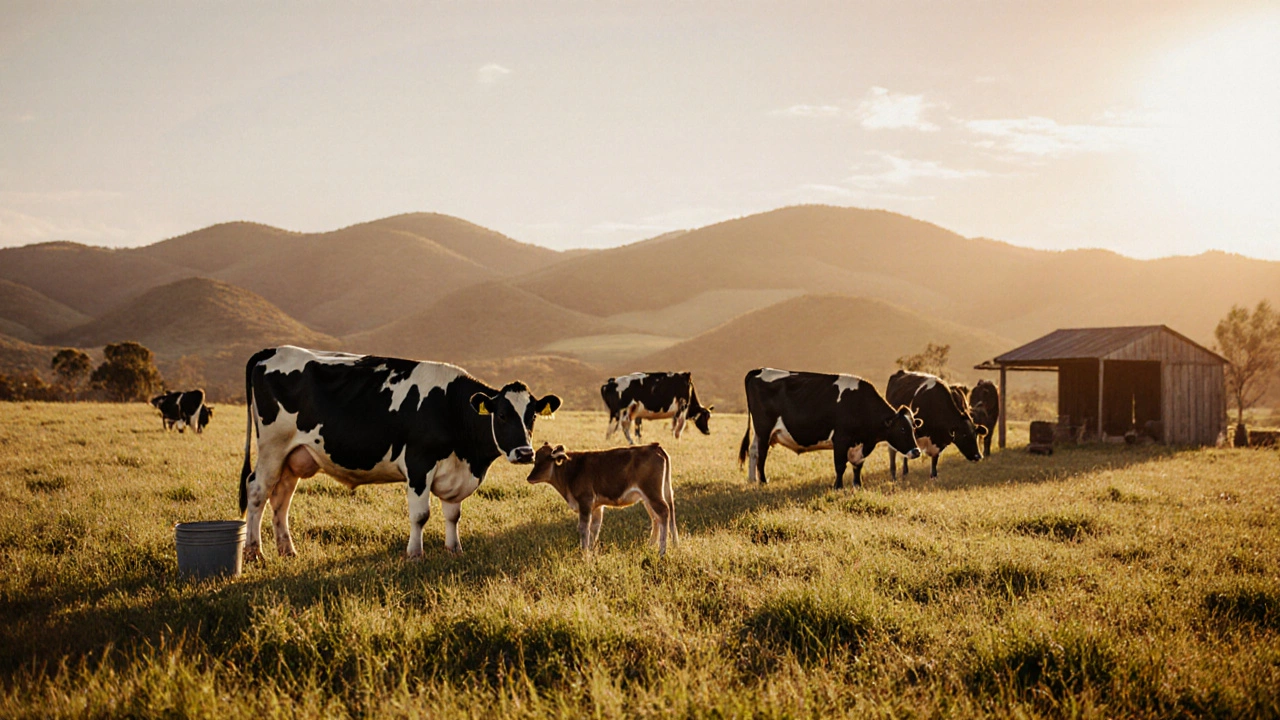
Learn realistic profit from ten cows in South Australia, break down revenue, costs, and see how it stacks up against buying an Adelaide villa.
 0
0