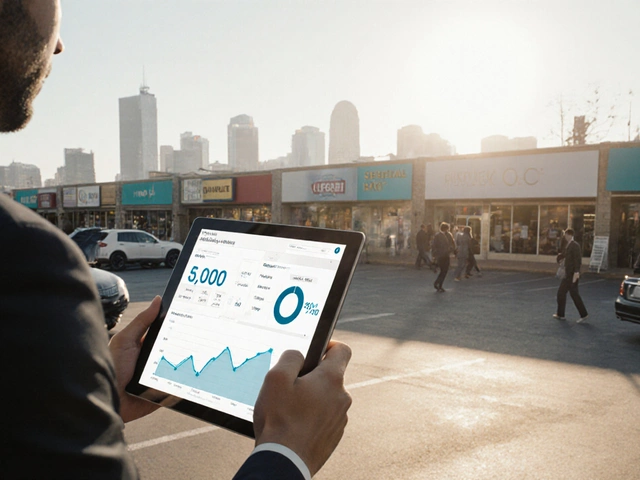
When you’re buying a commercial property—like an office building, retail space, or warehouse—your credit requirements for commercial real estate, the financial standards lenders use to decide if you’re eligible for a loan. Also known as commercial loan underwriting criteria, it’s not just about your personal credit score—it’s about your business’s financial health, cash flow, and collateral. Unlike residential mortgages, commercial loans don’t rely on FICO alone. Lenders dig into your business tax returns, bank statements, debt service coverage ratio, and even the property’s income potential.
Most lenders want a minimum credit score, a numerical rating of your creditworthiness based on payment history and debt use. Also known as FICO score, it of at least 680, but 720 or higher gives you way better rates. If your score is below 650, you’ll likely need a larger down payment—sometimes 30% or more—or a co-signer with strong credit. Your business’s debt service coverage ratio, the amount of cash flow available to pay debt obligations. Also known as DSCR, it needs to be at least 1.25x. That means for every dollar of loan payment, your property must bring in $1.25 in net income. If you’re buying a strip mall and the tenants pay $10,000 a month in rent, your total monthly loan payment can’t exceed $8,000.
Lenders also check your loan-to-value ratio, how much you’re borrowing compared to the property’s appraised value. Also known as LTV, it. For commercial deals, they usually cap it at 70–75%. So if the building is worth $1 million, you’ll need at least $250,000 in cash for the down payment. Your business’s financial history matters too—two years of tax returns are standard. If you’re new to commercial real estate, you might need a stronger personal guarantee or a larger reserve fund.
Don’t assume your personal credit is enough. Even if you have a 780 score, if your business has inconsistent income or high existing debt, lenders will say no. On the flip side, if your business is profitable and has clean books, a 670 score might still get you approved—with a few extra conditions. It’s not about being perfect—it’s about showing you can handle the payments.
What you’ll find below are real examples and breakdowns of how people actually qualify for commercial loans. From the exact documents lenders ask for, to how a 5% drop in tenant occupancy can kill your deal, to why some investors use SBA loans to bypass strict credit rules. These aren’t theory pieces—they’re guides based on what’s working right now in the market. Whether you’re a first-time buyer or looking to expand your portfolio, the posts here cut through the noise and show you exactly what it takes to get funded.
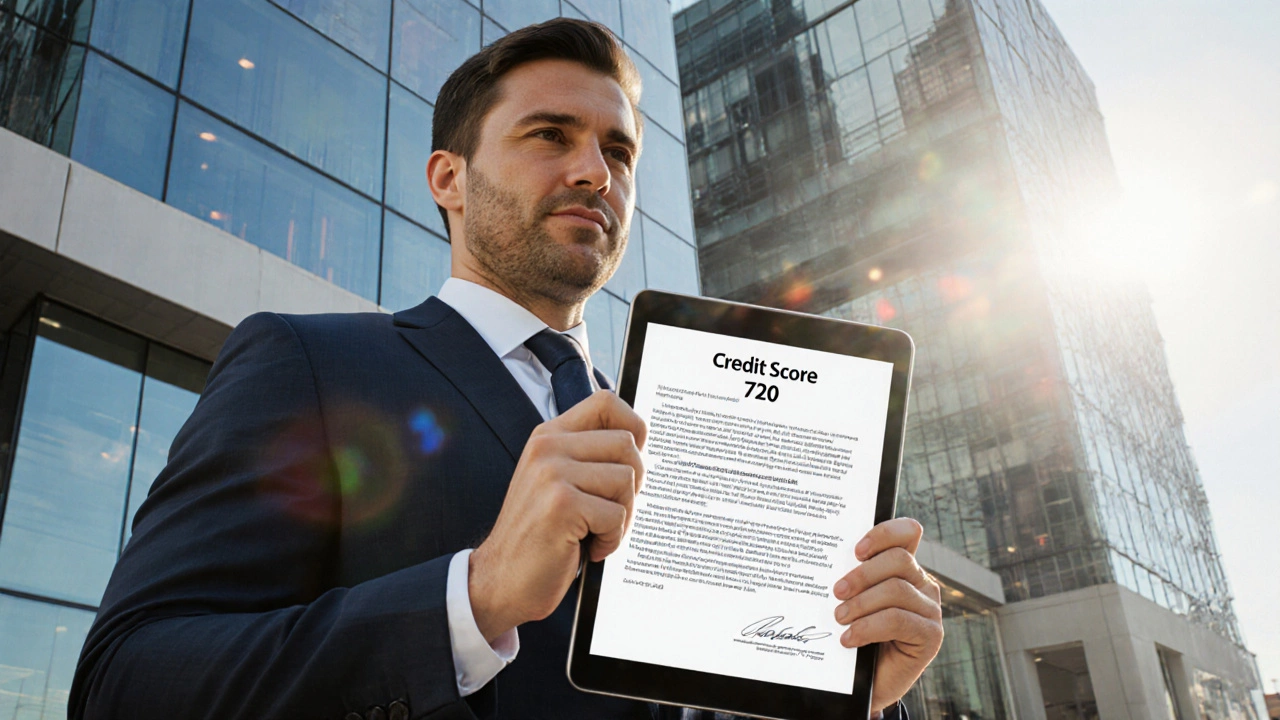
To buy commercial property, you typically need a credit score of at least 680. Lenders look at your personal and business credit, debt levels, and property cash flow-not just your score. Learn what really matters and how to improve your chances.
 0
0