When you hear commercial real estate valuation, the process of determining the market value of income-generating properties like offices, retail spaces, or warehouses. Also known as CRE appraisal, it’s not about how much someone paid last year—it’s about what the property can earn today. Many people think it’s just square footage times a rate, but that’s where most buyers get fooled. A building in downtown Atlanta might look identical to one in rural Ohio, but their values? Totally different. Why? Because value comes from income, location, tenant quality, and market demand—not just looks.
That’s why cap rate, a simple formula that divides net operating income by property price is the first thing smart investors check. If a property nets $120,000 a year and sells for $1.5 million, that’s an 8% cap rate. In some markets, that’s great. In others, it’s a red flag. Then there’s cash on cash return, which measures annual pre-tax cash flow against the actual money you put in. If you put $500,000 down and pull out $40,000 in profit, that’s an 8% return. Simple. But here’s the catch: both numbers change if your tenant leaves, rent goes up, or property taxes spike. That’s why you can’t just copy someone else’s numbers—you need to build your own model.
And don’t forget ROI for commercial property, the bigger picture that includes appreciation, tax benefits, and debt paydown. A property might have a low cap rate but still be a winner if it’s in a growing city with strong population growth. That’s what separates the investors who hold for 10 years from the ones who flip in 2. The best valuations don’t just spit out a number—they tell you the story behind it. Who’s leasing the space? How long are the leases? Are the tenants paying for utilities? These details matter more than any fancy spreadsheet.
What you’ll find below are real examples from actual listings and deals—no theory, no fluff. You’ll see how CPM pricing ties into ad value for property marketing, how top CRE firms calculate worth, and what a good return really looks like in today’s market. Whether you’re buying your first warehouse or managing a portfolio, these posts give you the tools to stop guessing and start knowing what your property is truly worth.
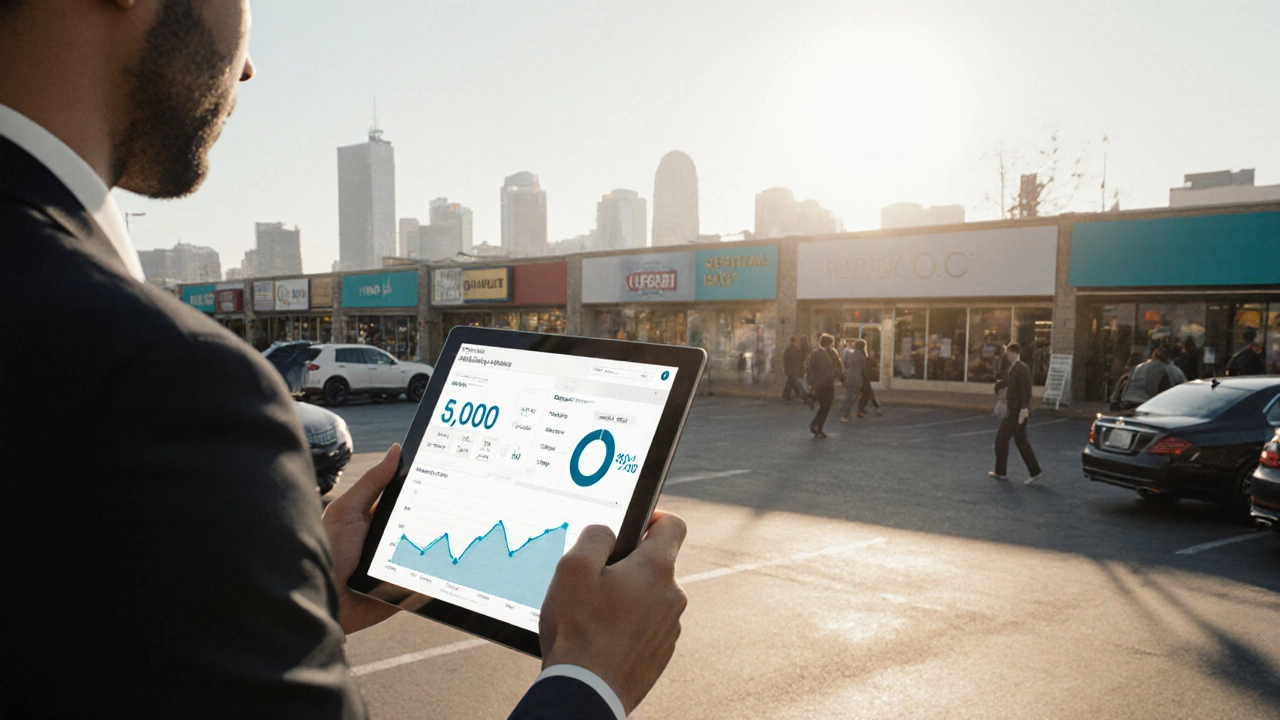
Learn how to accurately calculate commercial property value using NOI and cap rates. Understand what drives buyer offers and how to avoid common valuation mistakes.
 0
0