When working with beef income, the revenue generated from raising cattle and selling beef. Also known as livestock earnings, it represents a core slice of many farmers' profit pie. Understanding beef income starts with knowing the ecosystem that creates it. Cattle farming, the practice of breeding and raising cattle for meat, milk, or other products supplies the raw product, while land utilization, how a farmer allocates acreage for grazing, feedlots, and auxiliary crops determines how many heads you can sustain. The broader agribusiness, the commercial side of farming that includes processing, marketing, and distribution shapes market prices and access to buyers. Together, these pieces form a simple chain: beef income encompasses cattle farming, requires efficient land utilization, and is amplified by smart agribusiness moves.
If you own 20 acres, the question isn’t just “how many cows can fit?” but “how can those cows turn your land into steady cash?” The rule of thumb from the "How Many Cows Per 20 Acres" guide is about 1.5 to 2 mature cows per acre on good pasture, which translates to roughly 30‑40 head on a 20‑acre parcel. Each head, when sold at an average market price of ₹1.2 lakh per 500 kg carcass, can generate around ₹2.4 lakh in gross revenue. Subtract feed, veterinary care, and labor—about 30 % of sales—and you’re looking at a net profit of ₹1.7 lakh per animal per cycle. Multiply that by your herd size and you have a clear picture of potential beef income. But raw numbers only tell part of the story. Diversifying into value‑added streams—selling branded steaks, offering on‑farm tours, or leasing grazing rights to nearby ranchers—adds layers of revenue. The "How to Make Money on 20 Acres" article shows that a small solar lease can bring an extra ₹1‑2 lakh per year without affecting herd size. Pairing those side gigs with efficient pasture rotation, which improves grass health and reduces feed costs, pushes your profit margin higher. In practice, a farmer who balances 35 cows, runs a seasonal farmer’s market stall, and leases a portion of the land for solar can boost beef income by 20‑30 % compared to a pure‑cattle operation. Key to these gains is tracking the numbers. Simple spreadsheets that log feed intake, weight gain, market price per kilogram, and ancillary income let you spot trends fast. When a dip in market price appears, you can shift focus to the higher‑margin side hustles before the cash flow suffers. This data‑driven habit mirrors the "Good Return on Investment for Commercial Property" mindset: know your cap rate, know your cash‑on‑cash, and adjust. In short, beef income doesn’t rely on a single factor. It thrives when cattle farming, land utilization, and agribusiness tactics work hand‑in‑hand. Below you’ll find a curated set of articles that dive deeper into each piece of the puzzle—whether you’re curious about rent‑affordable land, the exact ROI targets for commercial farms, or the nitty‑gritty of how many people can fit in a 600 sq ft barn office. Browse the collection to see which strategies match your farm’s size, budget, and goals, and turn those cattle into consistent cash flow.
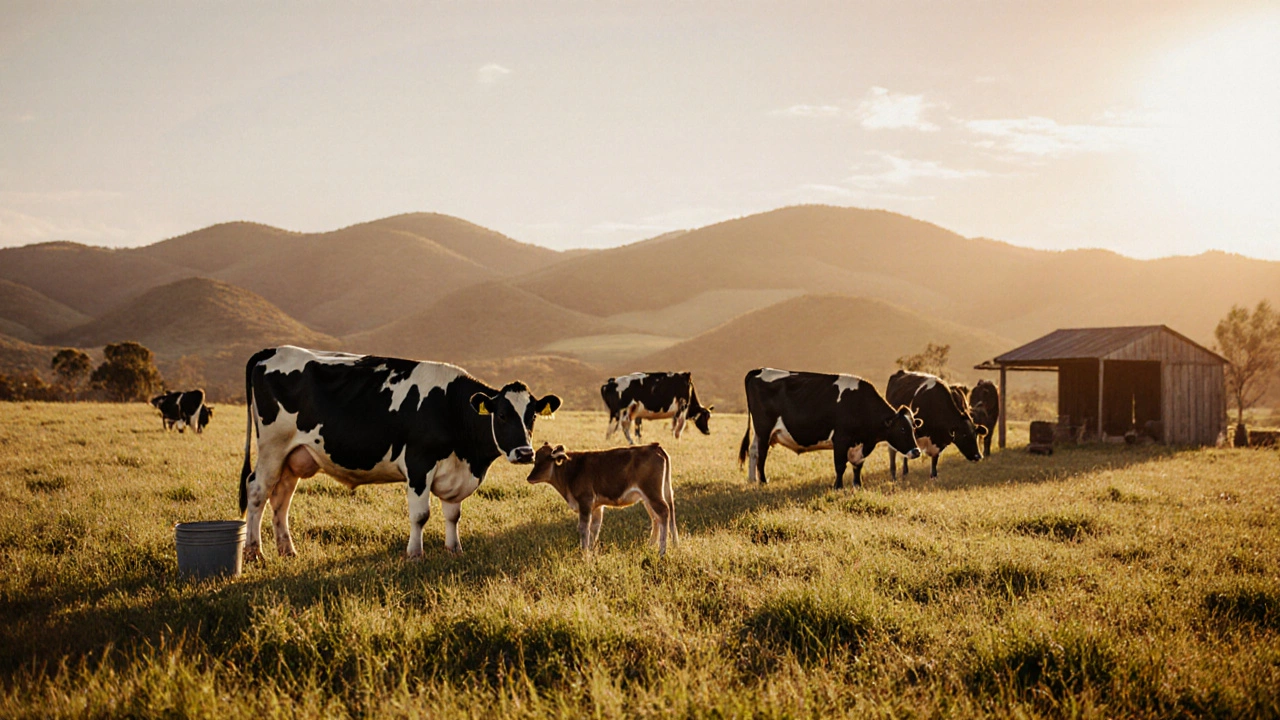
Learn realistic profit from ten cows in South Australia, break down revenue, costs, and see how it stacks up against buying an Adelaide villa.
 0
0