When you’re looking at apartments, apartment dimensions, the measurable size and layout of a living unit, including bedrooms, kitchen, and common areas. Also known as floor plan size, it directly affects how comfortably you can live, store things, and host guests. A 600 sq ft apartment isn’t just a number—it’s whether your couch fits, if the kitchen lets you turn around, or if your kids can play without bumping into furniture. In India, where space is tight and prices vary wildly, knowing what dimensions actually mean can save you from regretting a lease or purchase.
Most people focus on the number of bedrooms—2BHK, 3BHK—but the real story is in the floor plan, the arrangement of rooms within an apartment, including door placements, window positions, and circulation space. Also called layout, it determines if the space feels open or cramped, even if the total square footage is the same. A 2BHK apartment with a narrow corridor and tiny kitchen might feel smaller than a 1BHK with smart design. Look at how the rooms connect. Is the bathroom accessible from the bedroom? Can you walk from the kitchen to the living area without stepping through a bedroom? These details matter more than the total area listed on the brochure.
Then there’s the living space, the area used for daily activities like relaxing, eating, and entertaining, excluding storage and utility zones. Also known as usable area, it’s what you actually experience every day. In many Indian apartments, balconies, service areas, and common corridors are included in the total area—but you can’t live there. A 900 sq ft apartment might only give you 650 sq ft of real living space. That’s why checking the carpet area is critical. Builders often advertise super built-up area to make numbers look bigger. Ask for the carpet area in writing. If they won’t give it to you, walk away.
And don’t forget the 2BHK apartment, a common housing type in India with two bedrooms, a hall, and a kitchen, often designed for small families or couples. Also known as two-bedroom flat, it’s the most popular choice for first-time buyers and renters. But not all 2BHKs are equal. Some have a 12x12 ft master bedroom and a 8x8 ft second room. Others reverse that. Some have a separate dining area. Others eat in the living room. The difference between a 700 sq ft 2BHK that feels spacious and one that feels like a shoebox? It’s all in the dimensions and how they’re arranged.
People think bigger is always better. But in cities like Delhi, Mumbai, or Bangalore, a 1,200 sq ft apartment might cost twice as much as a 750 sq ft one—and you’ll spend half your time cleaning it. For a single person or a couple, a well-designed 600–800 sq ft apartment with smart storage and good light can feel more comfortable than a huge one that’s poorly laid out. The goal isn’t to fill space—it’s to make space work for you.
Below, you’ll find real examples and breakdowns of what apartment dimensions actually mean in India’s housing market—from tiny 2KK units to larger 2BHK layouts. No fluff. Just what fits, what doesn’t, and why it matters when you’re signing a lease or writing a check.
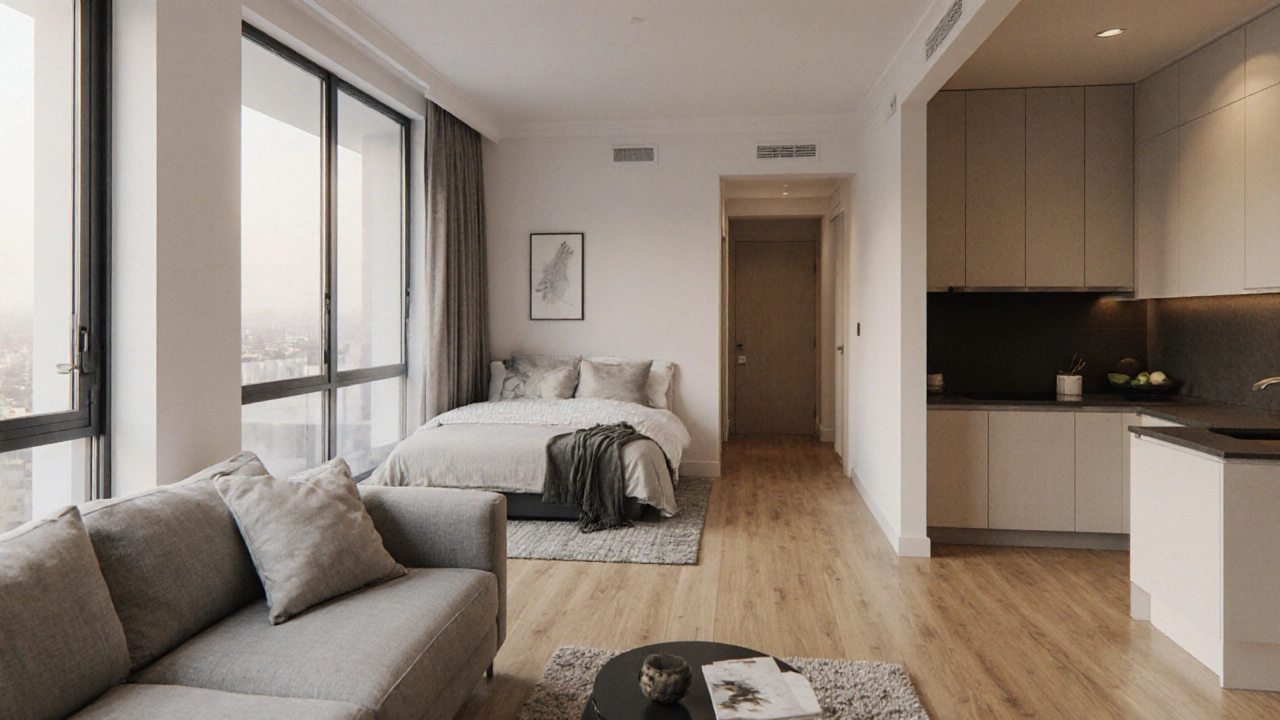
Most 2 bedroom apartments range from 800 to 1,000 sq ft, but size varies by city, building age, and market. Learn what’s typical, what to watch for, and how layout affects livability.
 0
0