
Virginia Section 8 Eligibility Checker
Enter your details below to estimate your eligibility for Section 8 rental assistance in Virginia. This tool uses estimated 2026 Very Low-Income (50% AMI) thresholds.
Your Income
$0
Max Limit (50% AMI)
$0
Trying to figure out if you qualify for Section 8 in Virginia can feel like trying to solve a puzzle with missing pieces. One day your rent is manageable; the next, a slight raise at work might push you over the edge. The core issue isn't just about how much money you make-it's about how that money compares to the average income in your specific county or city. If you're wondering whether your household fits the criteria for rental assistance, you need to look at the latest HUD data, not just general state averages.
The answer depends entirely on where you live and how many people are in your home. Virginia doesn't have one single Section 8 income limit. Instead, the U.S. Department of Housing and Urban Development (HUD) sets different thresholds for every metropolitan area and non-metro region. In Northern Virginia, where costs are sky-high, the limits are significantly higher than in rural Southwest Virginia. Understanding this distinction is the first step to securing a Housing Choice Voucher.
How HUD Sets Income Limits
HUD calculates these numbers annually based on median family incomes. They adjust for household size, creating three main categories: Very Low-Income, Low-Income, and Moderate-Income. For Section 8, you generally need to fall into the Very Low-Income category, which is typically 50% of the area median income (AMI). Some programs allow up to 80%, but the majority of vouchers go to those earning less than 30% of AMI.
Here’s the tricky part: "Income" doesn't just mean your paycheck. It includes Social Security benefits, pensions, unemployment compensation, and even certain asset incomes. If you have savings generating interest, that counts. If you receive child support, that counts. You must report everything before taxes are taken out. Excluding these details often leads to application rejections later in the process.
Regional Differences Matter More Than State Averages
Virginia is split into distinct housing markets. The Washington-Arlington-Alexandria DC-VA-MD-WV metro area has some of the highest income limits in the country because the cost of living is so steep. Meanwhile, areas like Lynchburg or Roanoke have lower medians, meaning the dollar amount you can earn while still qualifying drops significantly.
| Household Size | Northern Virginia (DC Metro) | Richmond Metro | Southwest VA (Non-Metro) |
|---|---|---|---|
| 1 Person | $49,500 | $41,200 | $32,100 |
| 2 People | $56,600 | $47,100 | $36,700 |
| 3 People | $63,700 | $53,000 | $41,300 |
| 4 People | $70,700 | $58,800 | $45,900 |
Notice the gap? A four-person family in Northern Virginia can earn nearly $25,000 more per year and still qualify compared to a similar family in rural Virginia. This reflects the reality of local housing costs. If you apply in the wrong jurisdiction, you might be disqualified simply because the local median income is lower, even if your rent burden is high.
Who Counts as a Household Member?
When calculating your income limit eligibility, define your household carefully. It includes everyone who will live in the unit, regardless of legal relationship. That means your spouse, children, parents, or roommates all count toward the total household size. However, there are exceptions. Full-time students under 24 who aren't dependents of other adults in the house might be excluded from the income calculation depending on specific program rules.
Also, consider temporary absences. If a family member is deployed in the military or away at college but intends to return, they usually remain part of the household. This increases your allowable income limit because larger households get higher thresholds. Failing to include them could artificially lower your limit and hurt your chances.

Priorities and Waiting Lists
Meeting the income limit is just the entry ticket. Once you're eligible, you enter a waiting list managed by local Public Housing Authorities (PHAs). There are dozens of PHAs across Virginia, from the Richmond Redevelopment & Housing Authority to smaller county offices. Each manages its own list.
Many PHAs use preferences to move people up the line faster. Common preferences include:
- Being homeless or at risk of homelessness.
- Living in substandard housing conditions.
- Having a disability or elderly head of household.
- Paying more than 50% of income on rent currently.
- Being displaced by natural disasters or redevelopment.
If you don't have any preferences, you might wait years. In highly competitive areas like Fairfax County, waits can stretch beyond five years. In contrast, some rural counties fill their lists quickly or have open enrollment periods throughout the year.
Common Pitfalls That Disqualify Applicants
People often miss out because they misunderstand what counts as income. For example, if you sell a car during the application process, that proceeds might be counted as an asset or income depending on timing. Another common error is failing to update income changes. If you get a new job after applying but before receiving the voucher, your income might exceed the limit when it's time to sign the lease.
Another pitfall is choosing a landlord who won't accept vouchers. While Virginia law protects against source-of-income discrimination in many contexts, practical barriers remain. Some landlords refuse Section 8 tenants due to inspection hassles or perceived stigma. Start looking for housing early, ideally while you're still on the waiting list, to avoid scrambling once your voucher arrives.
Steps to Apply Right Now
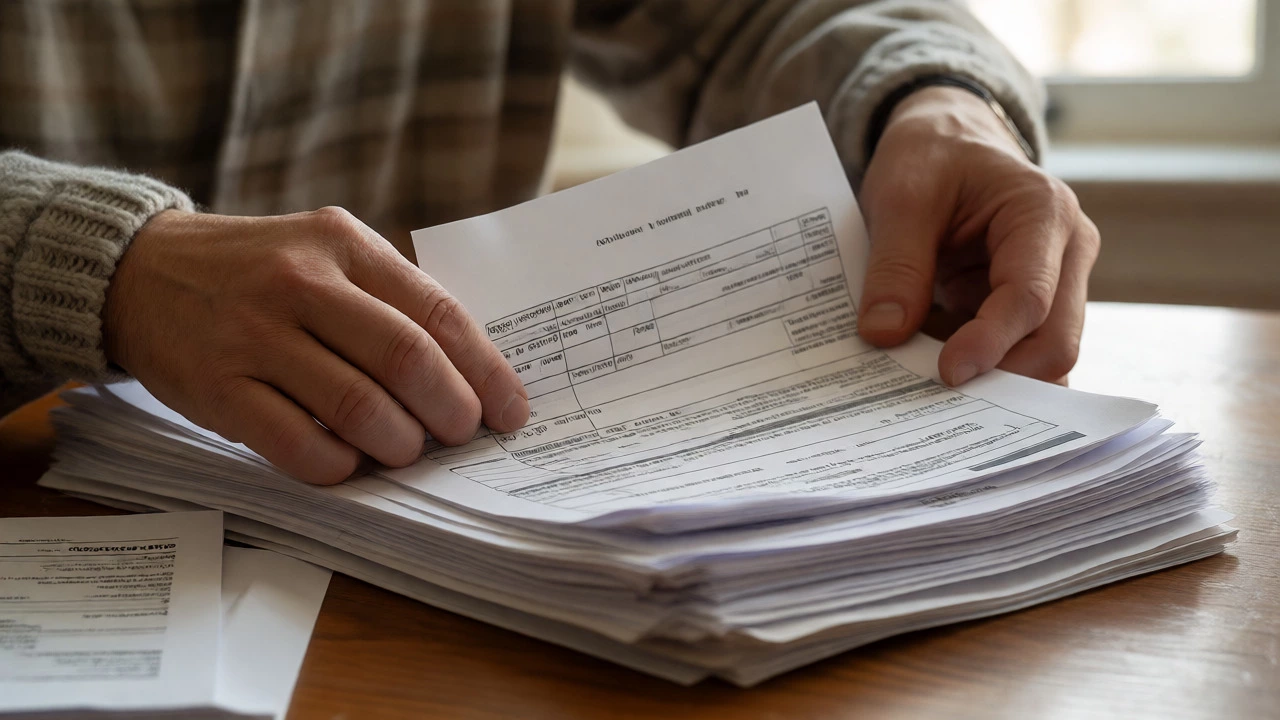
Don't rely on outdated flyers. Go directly to the HUD website or contact your local PHA for the most current PDFs. Here is a quick checklist to get started:
- Identify your PHA: Find the authority covering your county or city. Use the HUD directory online.
- Check Open Status: Many lists are closed. Sign up for email notifications if available.
- Gather Documents: Get recent pay stubs, tax returns, birth certificates, and social security cards for all members.
- Calculate Total Income: Add up all gross monthly income sources. Compare this to the annual limit divided by 12.
- Submit Application: Most PHAs now offer online applications. Print a confirmation number.
Keep copies of everything. If your application gets lost in the system, having proof of submission saves months of stress. Follow up regularly. Sometimes applications get marked inactive if mail bounces back.
Beyond Section 8: Other Assistance Options
If you're slightly over the Section 8 limit, don't give up hope. Look into the HOME Investment Partnerships Program or state-specific initiatives like the Virginia Housing Trust Fund. These programs sometimes serve families earning up to 80% of AMI. Also, check if your employer offers down payment assistance or rental subsidies through nonprofit partnerships.
Remember, affordability is relative. A voucher helps bridge the gap between your income and fair market rent. Even if you don't get a full subsidy, partial assistance can make staying in your community feasible. Keep exploring all avenues while you wait for your turn on the Section 8 list.
Does my income limit change if I move within Virginia?
Yes, absolutely. Income limits are set by county or metropolitan area. Moving from rural Virginia to Northern Virginia will significantly increase the maximum income you can earn while remaining eligible for assistance.
Do student loans count as income for Section 8?
Generally, no. Student loan proceeds used for education expenses are excluded from income calculations. However, if you have taxable scholarships or grants, those might count. Always disclose them to your caseworker.
How long is the Section 8 waiting list in Virginia?
It varies wildly by location. In major cities like Richmond or Norfolk, waits can range from 2 to 7 years. In smaller rural counties, lists may open periodically with shorter waits of 6 to 18 months.
Can I apply to multiple housing authorities?
Yes, you can apply to as many PHAs as you want. Just ensure you only use one voucher eventually. Applying to nearby jurisdictions increases your chances of getting help sooner.
What happens if my income goes over the limit after I get the voucher?
You must report the change immediately. Your tenant portion of the rent will increase to reflect the higher income. If it exceeds the limit significantly, you might lose eligibility upon recertification, but you usually get a grace period.