Australian Land Value & Hidden Cost Calculator
Sticker price is just the beginning. Use this tool to estimate the "All-In" entry cost for rural blocks in major Australian states.
Expert Insight
You’re staring at a block of dirt that costs less than a used sedan. It sounds too good to be true, but for thousands of Australians every year, it’s reality. The question isn’t just about finding cheap dirt; it’s about understanding why it’s cheap and what you’re actually buying. If you’re hunting for the cheapest land in Australia, the answer shifts depending on whether you want a hobby farm, a remote investment, or a buildable plot near town.
As of late 2026, the Northern Territory consistently holds the title for the lowest median price per hectare across most regions. However, "cheap" is a relative term. A $15,000 block in the NT might cost $50,000 to clear because there’s no power grid nearby. Meanwhile, a $40,000 block in regional Queensland might have all services connected. This guide breaks down where the dirt is cheapest, the hidden costs you need to watch out for, and how to decide if low-cost land is actually a smart move for your wallet.
The Northern Territory: Low Prices, High Logistics
If raw numbers are your only metric, the Northern Territory wins. Median land prices here often hover around $10,000 to $20,000 for rural blocks that would cost ten times more in Victoria or New South Wales. Why? It’s mostly about population density and infrastructure. Alice Springs and Darwin are the hubs, but the vast majority of the territory is empty space.
Buying here means you’re often purchasing land with limited access to water, electricity, and internet. You aren’t just buying soil; you’re buying a project. Many buyers look at the Northern Territory as a jurisdiction offering high-risk, high-reward opportunities for off-grid living or long-term speculation. The trade-off is significant. You might pay $12,000 for 10 hectares, but installing a solar system, drilling a bore for water, and building a road into the property could easily add $30,000 to $50,000 to your total spend.
It’s not all bad, though. For those looking to escape the city grind without breaking the bank, the NT offers genuine solitude. Just remember that resale liquidity is low. You might find it hard to sell quickly if you change your mind, so treat this as a long-term hold.
Western Australia: The Vast Frontier
Western Australia follows closely behind the NT in terms of affordability, particularly outside the Perth metropolitan area. In regions like the Goldfields-Esperance or the Kimberley, you can still find substantial parcels of land for under $25,000. WA’s appeal lies in its sheer size and diverse terrain, from arid deserts to coastal fringes.
However, distance is the killer here. A cheap block in Kalgoorlie might be great if you work in mining, but if you’re trying to commute to Perth, you’re looking at hours of travel. Additionally, environmental regulations in WA can be strict regarding vegetation clearing. Before you sign, check if the land is classified as agricultural, pastoral, or residential. Pastoral leases, common in WA, come with specific obligations to maintain livestock, which adds an ongoing operational cost that pure freehold land doesn’t have.
South Australia: The Middle Ground
Living in Adelaide, I see many clients eyeing regional SA for a balance between price and accessibility. South Australia offers some of the best value-for-money land in the country when you factor in infrastructure. Regions like the Mid North, Eyre Peninsula, and the Flinders Ranges offer blocks starting from $20,000 to $40,000.
What makes SA attractive is the proximity to existing towns. Unlike the remote pockets of the NT or WA, many SA rural blocks are within a 30-minute drive of a service center with shops, schools, and hospitals. This reduces the "hidden costs" mentioned earlier. You’re more likely to find land with existing fencing, dams, or even a shed. For families wanting a semi-rural lifestyle without the isolation, SA is often the sweet spot.
Queensland and NSW: Where Cheap Means Remote
In Queensland and New South Wales, cheap land exists, but it’s heavily concentrated in inland areas. Western Queensland, particularly around Longreach or Charleville, offers affordable acreage. Similarly, western NSW regions like Broken Hill or Cobar provide low entry points.
The catch in these states is drought resilience. Water rights are critical. In NSW, buying land without a secure water source is a gamble. You must verify if the property has licensed bores or rainwater tanks with sufficient capacity. In Queensland, check for flood overlays. A cheap block in a flood zone might require expensive elevation works before you can build. Always ask for the Water Access Report to determine the reliability and legal status of water sources on the property. before committing.
Hidden Costs That Turn "Cheap" Into Expensive
The sticker price is just the beginning. When evaluating cheap land, you need to calculate the "all-in" cost. Here is what typically blows out budgets:
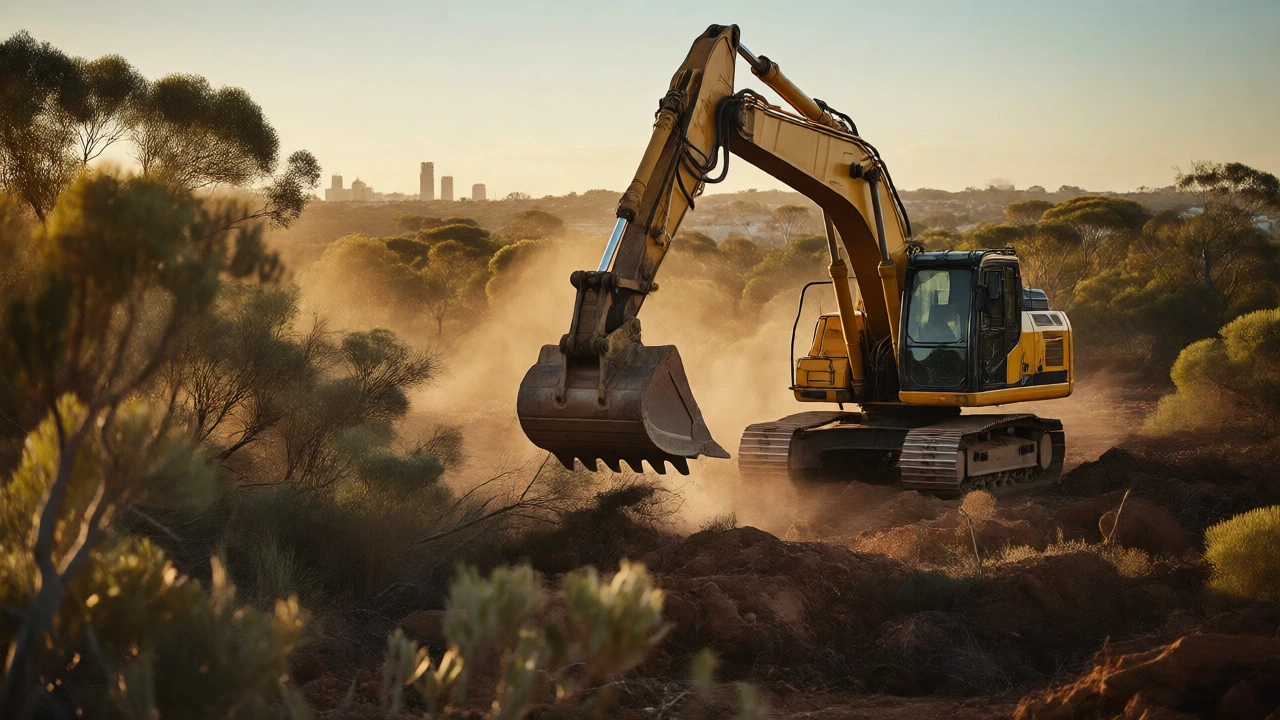
- Clearing and Grading: Removing trees, rocks, and leveling the ground can cost $5,000 to $20,000 depending on density.
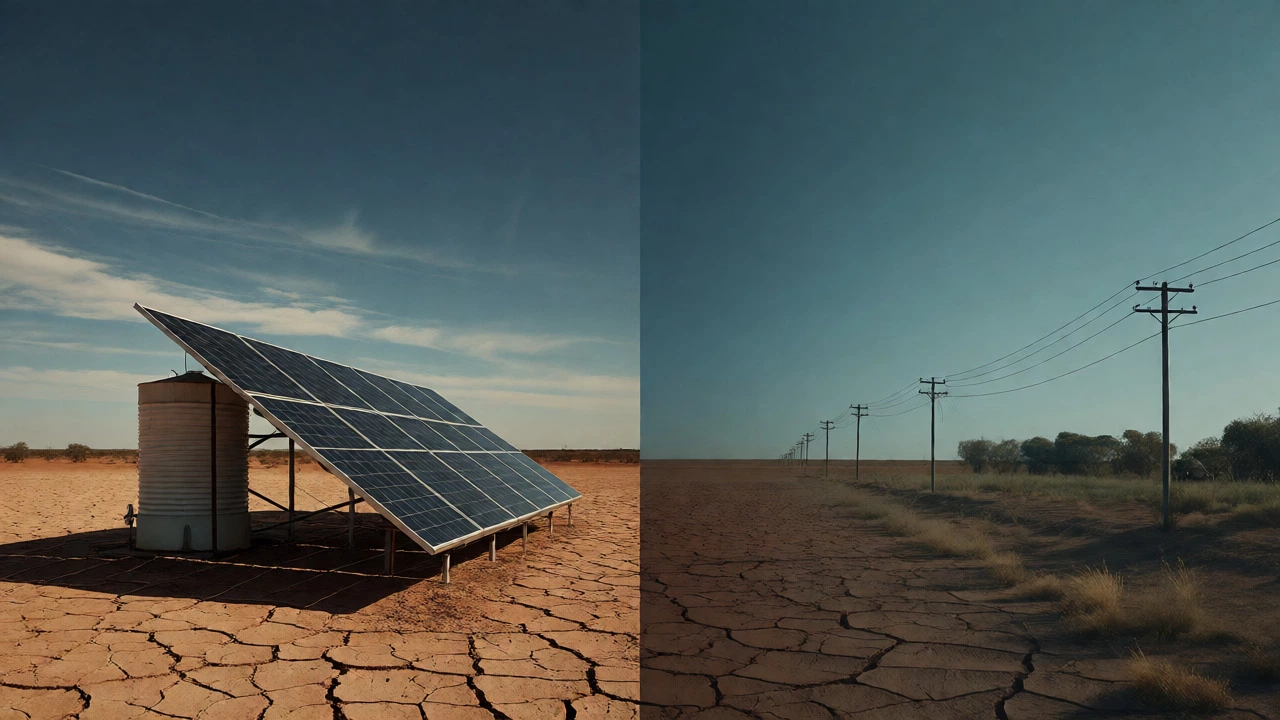
- Utility Connections: Running power lines to a remote block can cost $10,000+ per kilometer. Solar setups are cheaper but require battery banks.
- Access Roads: If the land doesn’t have a formed driveway, you’ll need heavy machinery to create one.
- Zoning Restrictions: Some cheap land is zoned "Rural Living," which may prohibit commercial activities or sub-dividing.
- Soil Tests: Rocky or sandy soil might require imported topsoil for gardening or septic systems.
| State | Avg. Land Price | Est. Setup Costs* | Total Entry Cost | Best For |
|---|---|---|---|---|
| Northern Territory | $15,000 | $45,000 | $60,000 | Off-grid living, speculation |
| Western Australia | $22,000 | $35,000 | $57,000 | Hobby farms, mining workers |
| South Australia | $30,000 | $20,000 | $50,000 | Families, semi-rural lifestyle |
| Queensland (Inland) | $28,000 | $25,000 | $53,000 | Livestock, agri-business |
| New South Wales (West) | $32,000 | $28,000 | $60,000 | Cropping, grazing |
*Setup costs include basic fencing, water tank installation, and minor clearing. Does not include building a house.
How to Verify Land Quality Before Buying
Don’t trust the listing photos. Go there. But even then, do your homework. Start with a title search to ensure there are no easements or covenants that restrict your use. Next, get a pest inspection if there’s any existing structure, and a soil test if you plan to garden or build.
Check the local council’s planning scheme. Look for overlays such as bushfire zones, flood plains, or heritage listings. These can limit what you can build and increase insurance premiums. Also, talk to neighbors. They know if the creek floods every spring or if the neighbor’s dogs bark all night. Real estate agents won’t always tell you these things, but locals will.
Is Cheap Land a Good Investment?
This depends on your definition of return. Cheap land rarely appreciates quickly. It’s not like buying an apartment in Sydney. The growth comes slowly, driven by infrastructure improvements or population spillover from cities. If you buy in a region where a new highway is planned or a mine is expanding, you might see gains. Otherwise, expect steady, slow growth.
For most people, cheap land is a lifestyle purchase, not a financial instrument. Buy it because you want the freedom, the quiet, or the hobby farm. Don’t buy it expecting to flip it for profit in two years. Liquidity is poor, meaning it takes time to sell. If you need cash fast, this isn’t the asset class for you.
Final Thoughts: Location vs. Budget
The Northern Territory offers the cheapest dirt, but South Australia often provides the best balance of price and livability. Western Australia is great for those who don’t mind distance. Queensland and NSW offer affordable options if you stick to the inland regions.
Your decision should hinge on your tolerance for inconvenience. Can you handle hauling water? Are you okay with no NBN? Do you have the skills to fix a fence yourself? If yes, the cheapest land is a bargain. If no, you might be better off paying extra for a serviced block closer to town. The "cheapest" land is only cheap if you can afford the cost of making it usable.
Which state has the cheapest land in Australia right now?
The Northern Territory generally has the lowest median land prices, followed by Western Australia. However, these prices often reflect remote locations with limited infrastructure.
Why is land so cheap in the Northern Territory?
Low population density, extreme distances from major cities, and harsh climate conditions reduce demand. Additionally, many blocks lack essential services like power and water, increasing development costs.
Can I build a house on cheap rural land immediately?
Not always. You must check zoning laws and obtain council approval. Some rural land requires minimum dwelling sizes, septic system approvals, and environmental assessments before construction can begin.
What are the main hidden costs of buying cheap land?
Common hidden costs include clearing vegetation, installing fences, connecting utilities (power/water), creating access roads, and paying for soil tests and survey fees.
Is cheap land a good investment for capital growth?
Generally, no. Cheap rural land has low liquidity and slow appreciation rates compared to urban residential property. It is better viewed as a lifestyle asset rather than a short-term investment vehicle.
Do I need a lawyer to buy land in Australia?
While not legally mandatory in all states, it is highly recommended. A conveyancer or solicitor ensures the title is clean, checks for encumbrances, and manages the transfer process to protect your interests.