When you’re renting in Australia, a rental contract template Australia, a legally binding agreement between landlord and tenant that outlines rights, rent, and responsibilities. Also known as a tenancy agreement, it’s not just paperwork—it’s your protection. Without one, you’re gambling with your deposit, your security, and your right to live where you paid for.
Every state in Australia has its own rules. New South Wales uses the NSW Fair Trading form. Victoria has its Residential Tenancies Act. Queensland, Western Australia, and others all tweak the details. But they all require the same core things: names, address, rent amount, payment schedule, bond amount, and who pays for what repairs. Missing any of these? The whole contract could be void. And if you’re a tenant, that means your landlord can’t legally evict you without following the law. If you’re a landlord, you can’t keep the bond without proof of damage.
Common mistakes? Using a template from the U.S. or U.K. That won’t work. Australian law doesn’t allow rent increases without notice periods. It doesn’t let landlords enter without 24 hours’ notice (except emergencies). And no, you can’t charge a pet fee unless it’s approved by the state’s tenancy authority. Some templates include clauses about smoking, subletting, or garden care—those are fine, as long as they don’t break the law. The Australian tenancy agreement, the official document used across all states to formalize rental relationships is designed to be fair. You don’t need a lawyer to fill one out, but you do need to know what’s allowed.
What about bonds? In most states, the bond can’t be more than four weeks’ rent. It must be lodged with the state’s tenancy deposit scheme—not held by the agent or landlord. If it’s not lodged, you can legally demand your money back. And if the landlord tries to keep it without a valid reason? You can take them to the tribunal. These aren’t hypotheticals. People win these cases every week.
There’s also the issue of condition reports. Before you move in, you and the landlord must sign a report listing every scratch, stain, or broken fixture. Do it. Take photos. Don’t trust their word. If you skip this, you’ll be stuck paying for damage you didn’t cause. And when you leave? The same rules apply. Clean, empty, undamaged. That’s the standard. Anything else needs proof.
The landlord tenant rights, the legal balance of power between property owners and renters under Australian housing laws is tightly regulated. Tenants can’t be kicked out for complaining. Landlords can’t turn away people based on income source or family status. These aren’t suggestions—they’re enforceable laws. And that’s why using the right rental contract template Australia matters. It’s not about saving time. It’s about avoiding a nightmare.
Below, you’ll find real posts from people who’ve dealt with rental disputes, figured out bond refunds, negotiated repairs, and spotted shady clauses in leases. These aren’t theory. These are stories from tenants and landlords who got it right—or wrong—and lived to tell it. Use these to check your own agreement. Know your rights before you sign.
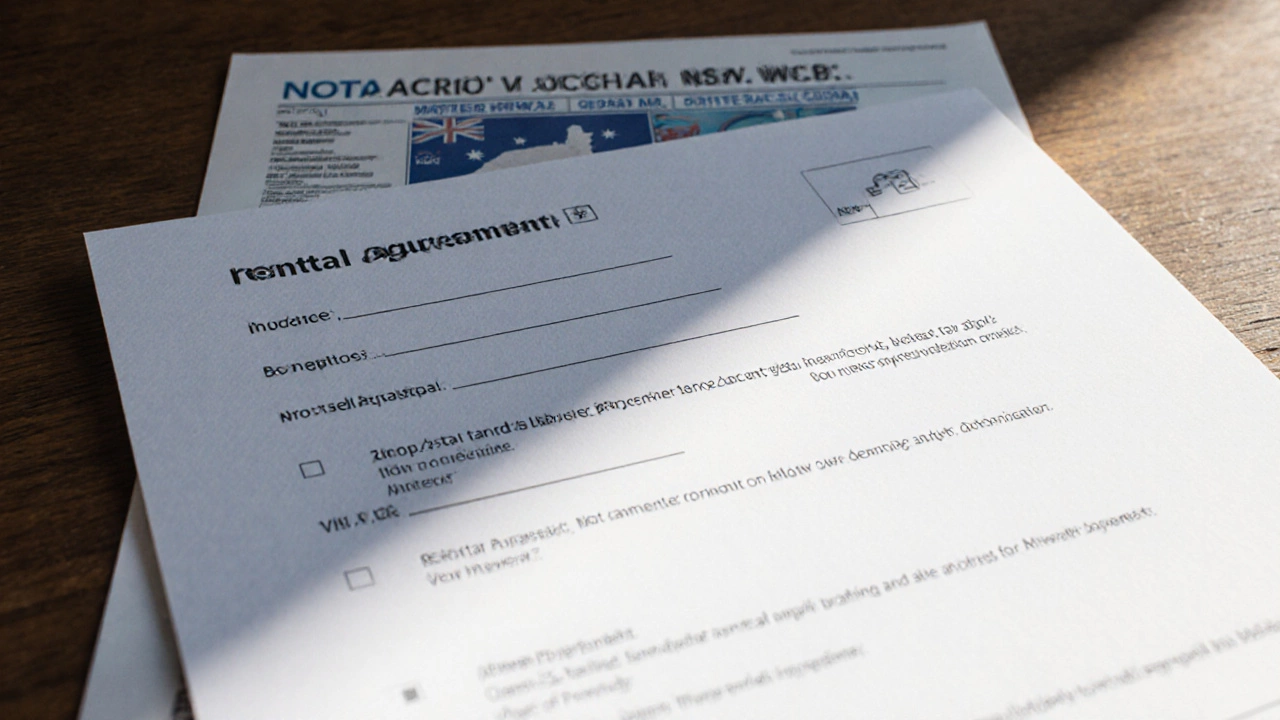
Microsoft Word doesn't have a built-in rent agreement template, but you can use free, official templates from Australian state housing authorities. Learn where to find them, what to check, and why random online templates can put you at legal risk.
 0
0