When you’re buying commercial property, your commercial loan credit score, a numerical rating used by lenders to assess the risk of lending to a business for property purchases. It’s not the same as your personal score, and it’s often the first thing a lender checks before even looking at your business plan. If your score is below 680, most banks will either deny you or charge you much higher interest. This isn’t about being rich—it’s about being reliable. Lenders don’t care how much money you have in the bank if your payment history shows missed deadlines or high debt loads.
Related to this is your business credit score, a separate rating based on your company’s financial behavior, not your personal finances. Dun & Bradstreet score and Experian Business Score are the two most common systems lenders use. They track things like how often you pay suppliers on time, whether your business has outstanding tax liens, and how much of your available credit you’re using. If your business has been around for less than two years, lenders will also look closely at your personal credit history—this is where many first-time buyers get stuck. Your commercial real estate loan, a specialized mortgage used to finance office buildings, retail spaces, warehouses, or other income-generating properties isn’t like a home loan. You can’t just show up with a pay stub. Lenders want to see cash flow from the property itself. That means they’ll look at your NOI (Net Operating Income), your debt service coverage ratio, and how long you’ve been in business. But none of that matters if your credit score is under 650.
Most people think a 700 score is good enough. It’s not. For commercial loans, you need at least 680 to have any real shot. Top lenders like Wells Fargo or Chase often require 720 or higher, especially for larger deals. And if you’re buying a property with no tenants yet? You’ll need an even stronger score—sometimes 750—because there’s no rental income to back the loan. The difference between a 670 and a 720 can cost you 1.5% more in interest over 20 years. That’s tens of thousands of dollars.
What can you do if your score is low? Pay down credit card balances, fix errors on your business credit report, and avoid opening new lines of credit for at least six months before applying. Some lenders offer programs for borrowers with scores as low as 600, but they’ll demand a bigger down payment—often 30% to 40%. That’s not a loan. That’s a down payment with a side of financing.
The posts below show you exactly how credit scores affect commercial deals, what lenders really look for, and how people with average scores still got approved. You’ll find real examples—no fluff, no theory—just what works on the ground in today’s market. Whether you’re buying your first office space or expanding your portfolio, this is the stuff that gets deals done.
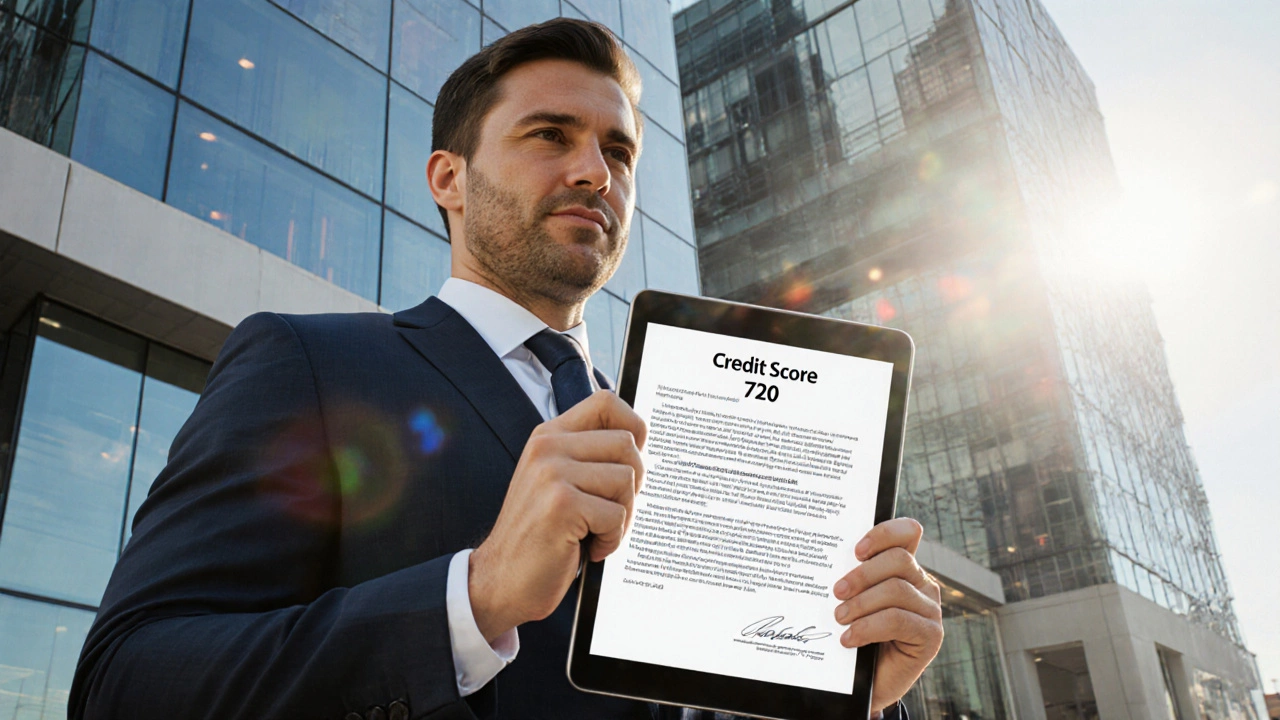
To buy commercial property, you typically need a credit score of at least 680. Lenders look at your personal and business credit, debt levels, and property cash flow-not just your score. Learn what really matters and how to improve your chances.
 0
0