When you decide to buy commercial property, a real estate asset used for business purposes like offices, retail spaces, or warehouses. Also known as commercial real estate, it’s not just about square footage—it’s about income, location, and long-term value. Unlike homes, commercial properties don’t just sit there. They earn. But they also demand smarter decisions. If you’re looking to buy commercial property, you need to know how to read the numbers, not just the floor plan.
One of the biggest mistakes people make is chasing cheap prices. A low price doesn’t mean a good deal. What matters is the cap rate, the ratio of net operating income to property value, used to compare returns across different properties. A 7% cap rate in a growing city might beat a 10% cap rate in a declining area. You also need to understand commercial property value, what a property is worth based on its income, not just what someone paid last year. This isn’t guesswork. It’s math. And it’s the same math used by professionals who make this their full-time job.
Then there’s commercial property ROI, the return you get from your investment after expenses, taxes, and vacancies. Most beginners focus on rent alone. But what about property taxes? Insurance? Maintenance? Tenant turnover? A single vacancy for three months can wipe out months of profit. That’s why smart buyers look at cash flow over time, not just the first year. And they don’t just look at one building—they compare multiple options using the same metrics.
Location still rules, but not the way you think. It’s not just about being downtown. It’s about foot traffic patterns, nearby businesses, zoning rules, and future development plans. A warehouse near a highway exit might be worth more than a retail space in a mall if trucks are your target customer. And don’t forget the tenant. A long-term lease with a stable business—like a pharmacy or a bank—is worth more than a trendy coffee shop with a one-year contract.
Some people think you need a ton of money to get started. Not true. You can start small—a single retail unit, a small office building, even a strip center. The key is knowing what to look for. That’s why we’ve gathered real examples, real numbers, and real advice from people who’ve done this before. You’ll find guides on how to calculate value, what ROI to expect, and how to avoid the traps that cost people thousands.
Whether you’re looking at a corner store, a medical office, or a logistics center, the rules are the same: income comes first, location matters, and numbers don’t lie. Below, you’ll find posts that break down exactly how to do this—step by step, without the jargon. No fluff. Just what you need to know before you make a move.

Find the best sites for buying commercial property in Australia in 2026. Compare top platforms like CommercialRealEstate.com.au, LoopNet, and PropertyGuru with real data on pricing, leases, and zoning.
 0
0
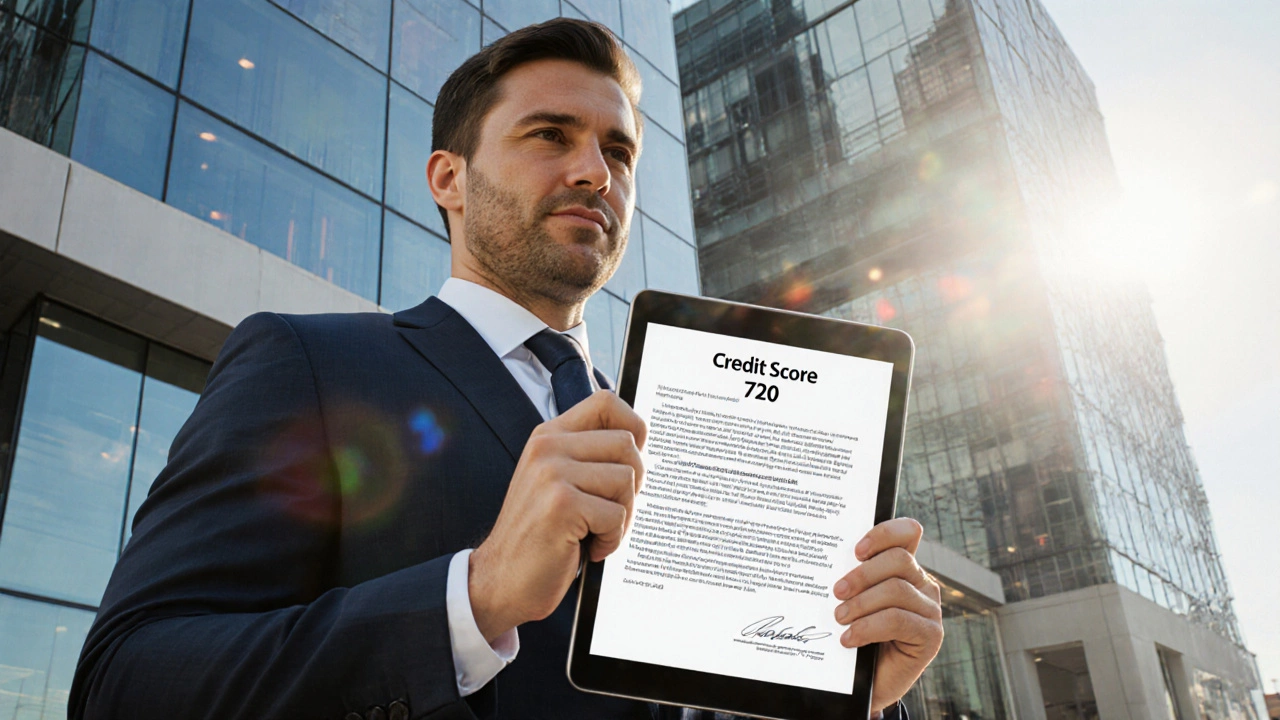
To buy commercial property, you typically need a credit score of at least 680. Lenders look at your personal and business credit, debt levels, and property cash flow-not just your score. Learn what really matters and how to improve your chances.
0